Theft of railway cables in Brussels: five convicted to four years' imprisonment
A resident of Marcinelle and four Romanian nationals have been sentenced to four years' imprisonment for stealing copper cables from railway tracks.
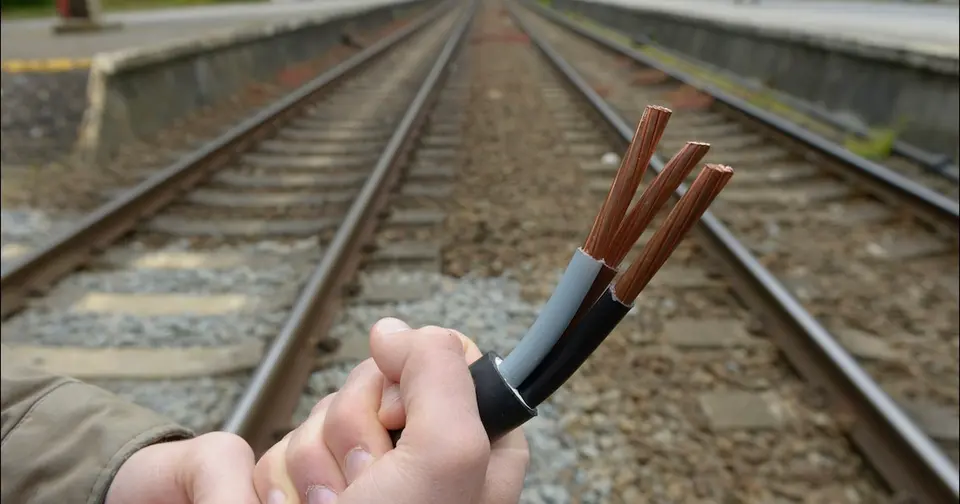
Five men sentenced to four years' imprisonment for plundering railway cables
In the night of 5 to 6 June 2024, four Romanian nationals were apprehended flagrante delicto near railway tracks in the Brussels region, reports DHnet. They were loading rolls of copper cables into lorries when the authorities arrested them. Refusing to speak, they were nevertheless betrayed by their mobile phones, whose communications pointed to a number in Marcinelle.
The holder of this number, a resident of Marcinelle already known to the justice system for similar offences and convicted on several occasions, possessed a vast warehouse. Inside, investigators discovered hundreds of kilometres of stolen cables. Held in custody, the five men eventually confessed.
None of them, however, revealed the identity of the "boss" responsible for processing or recycling the stolen goods. The entire network was therefore not dismantled.
Before the Brussels court of appeal, the defence pleaded several mitigating circumstances: the absence of a criminal record for the four arrested in Brussels, sincere remorse expressed by the man from Charleroi, as well as the exceeding of the reasonable time within which any suspect has the right to be tried. The lawyers pleaded with the court to impose lenient sentences for five men who, according to them, had committed no violence.
The court remained unmoved by these arguments. It sentenced each of the five defendants to four years' imprisonment, emphasising that this type of delinquency seriously disrupted the social and economic life of society as a whole — and in particular that of legitimate workers. The verdict was pronounced on Friday 25 September 2026.
Source: DHnet