Russian metropolitan complained about conditions in cell after drug-related detention
Metropolitan Ilarion of the Russian Orthodox Church was detained on Sunday in connection with the transport of banned substances. After his release, he complained about conditions in the police cell.
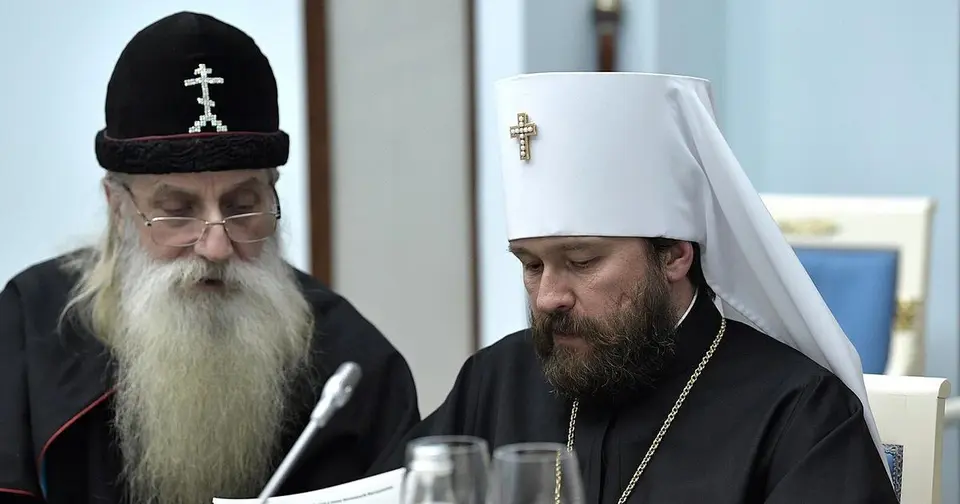
Russian metropolitan complained about conditions in cell after drug-related detention
A high-ranking church official from Russia became the focus of attention from Czech security forces at the end of May. Metropolitan Ilarion was arrested on Sunday on suspicion of drug trafficking and placed in a pre-detention cell. Two days later he was released without being formally charged. Shortly afterwards, he vented his anger on the internet over allegedly unacceptable conditions in detention.
"I had to keep moving the whole time so I wouldn't freeze. On top of that, very little food," Ilarion wrote on his Telegram channel. He added that he lacked pillows and the opportunity for rest was minimal. According to his account, he was not provided with reading materials, writing supplies, or paper.
These statements are sharply at odds with the weather conditions at the time of the operation. The Czech Republic was experiencing an exceptionally hot late spring. On the day the clergyman was detained, temperature records were set at approximately 66 per cent of weather stations. The temperature exceeded 32 degrees.
The police operation took place at a petrol station on the sixth motorway near Unhošť in the Central Bohemian Region. Law enforcement stopped a vehicle in which they found three bags containing an unidentified white powdered substance. It involved units of grams. Michaela Richterová, a spokesperson for the Central Bohemian police, later confirmed that on Tuesday they released two individuals and no one faces charges. Nevertheless, criminal proceedings continue.
Prague police spokeswoman Eva Kropáčová responded to the criticism by stating that law enforcement officers always act in accordance with the law when placing people in cells and regularly check that all legal standards are being observed.
Ilarion acknowledged in his statement that the substance found fell into the category of banned substances. However, he simultaneously denied having anything to do with its illegal possession or transport.
The incident sparked a diplomatic exchange of views. On Tuesday, the Russian Ministry of Foreign Affairs summoned Czech Ambassador's representative in Moscow Jan Ondřejka. In its protest, it labelled the actions of Czech authorities as unjustified and demanded the immediate release of the church official.
Source: Aktuálně.cz
Source: Aktuálně.cz