Operation Cobra 2.0-A: 28 arrested for massive fraud against Senasa
The Public Ministry arrested 28 people in 37 raids across several provinces, now targeting doctors and healthcare providers.
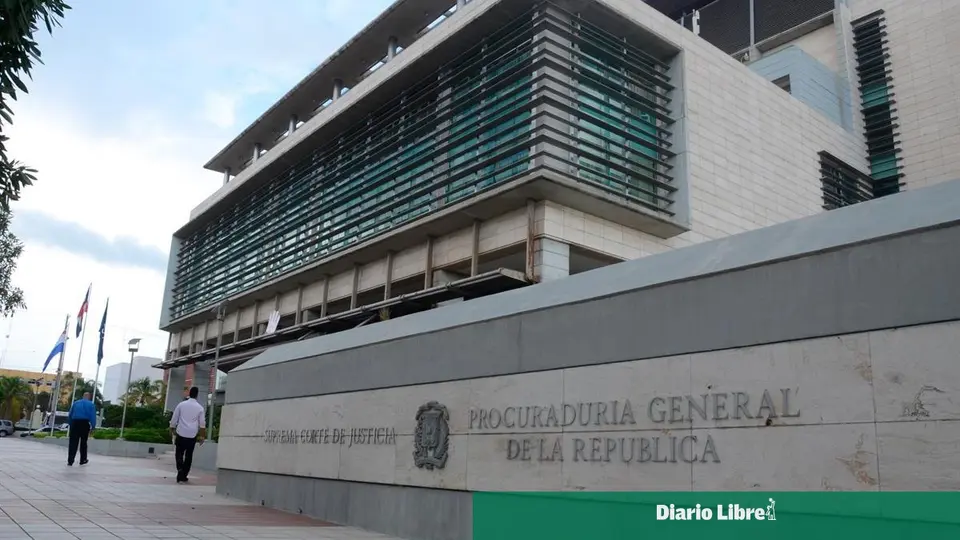
Doctors and healthcare providers at the centre of the second phase of the Senasa case
The Public Ministry arrested 28 people on Friday as part of Operation Cobra 2.0-A, a new phase of the investigation into alleged fraud against the National Health Insurance (Senasa), reports diariolibre.com. The operations included 37 raids in the National District, Santo Domingo, Santiago, Cotuí and La Vega.
Unlike the first phase of Operation Cobra—which brought former Senasa director Santiago Marcelo F. Hazim Albainy before the courts, identified by the prosecution as the head of the structure, along with other former officials—this new phase targets doctors and other healthcare service providers directly.
According to a statement from the Office of the Prosecutor General, the structure under investigation is believed to have operated from Senasa's Executive Directorate with the participation of officials from the insurance company and external providers within the health system.
Defrauding mechanisms described by the Public Ministry
The Public Ministry argues that the scheme used multiple avenues to divert public funds: large-scale bribery, double billing, falsification of financial statements, charges for services not rendered and use of forged documents, including counterfeit medical seals.
The prosecution affirms having gathered evidence of special programmes used without legal basis to divert resources, as well as of improper changes to medical instructions and incomplete delivery of medicines to patients.
The institution also identifies as part of the scheme the sale of donated medicines, smuggling through tax exemptions and trafficking in controlled substances.
Operation Onco14: fraud at the Cibao oncology centre
A branch of the main investigation is Operation Onco14, launched in June and linked to the Cibaeño Foundation Against Cancer and the Cibao Regional Oncology Institute.
In that case, the Public Ministry attributes clinical and pharmaceutical fraud to the accused. Among the irregularities identified are double billing to Senasa, charges for services and medicines that, according to the prosecution, were not supplied to patients at the centre, as well as the use of forged medical seals.
According to the case file, the accused are believed to have created the Fundación Tócate RD-Casa de Acogida to divert funds and make charges to Senasa. The Public Ministry also identifies as distraction mechanisms the self-assignment of salaries, per diems and other benefits which, in its view, did not correspond to personnel of such entities, as well as fraudulent reimbursements for travel and hotel expenses.
The case file also includes matters that go beyond medical billing. The Public Ministry affirms that rooms at the oncology centre were used to perform cosmetic surgery, and that within the scheme under investigation there were also digital sabotage, theft of files and money laundering.
Assets seized and charges brought
During Operation Cobra 2.0-A, the Public Ministry reported the seizure of assets, cash, vehicles and firearms. The institution did not detail the amounts or total value of the seized assets.
The accused face charges of civil servants' conspiracy, dereliction of duty, criminal association, receipt of bribes, fraud against the Dominican State, embezzlement, forgery, use of forged documents and money laundering.
The Public Ministry maintains that the investigated activities harmed Senasa members and caused losses of billions of pesos to the Dominican State.
The new phase expands the focus of the investigation towards former employees, doctors and other providers who, according to the prosecution, would have actively participated in the scheme alongside those already facing charges from the first phase of the case.
Source: Google News DO — Crime