20-year-old Latvian drug courier arrested in Tallinn – 300 grams of amphetamine found in hiding places
Police arrested a 20-year-old Latvian woman on Friday, suspected of transporting narcotics from Latvia to Estonia and hiding them in various locations across Tallinn.
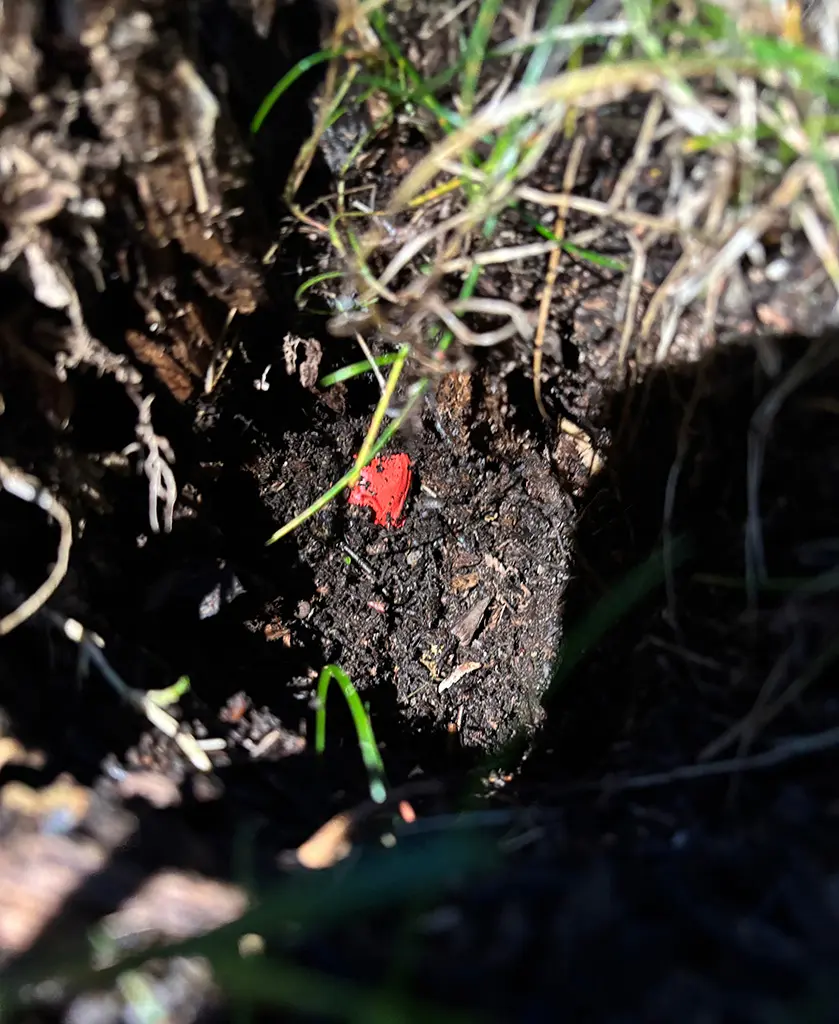
Latvian drug courier concealed amphetamine in Tallinn
According to Lounaeestlane.ee, police arrested a 20-year-old Latvian citizen on the past Friday, 11 September, suspected of handling a large quantity of narcotics in Estonia.
The case originated from a guest apartment in central Tallinn, where workers discovered a bag containing minigrip pouches with powder during cleaning. Patrol officers inspected the premises, gathered a description of the woman who had been in the apartment, and began searching for her. A few hours later, the woman was apprehended at Tallinn bus station.
According to Artur Kamnerov, head of the North Prefecture's narcotics and organised crime division, the woman arrived by bus from Latvia on Wednesday with a suitcase containing various drugs. "In one and a half days, the woman managed to hide approximately 90 packages across the city. Police officers and auxiliary police found 87 of those packages, which contained a total of approximately 300 grams of amphetamine-like substance, in different parts of the city," Kamnerov described.
In addition, approximately 1.7 kilograms of suspected amphetamine were confiscated from the woman, including several dozen grams of suspected cocaine and cannabis-like substance, as well as materials intended for packaging substances. The exact composition of the substance will be determined through expert examination.
According to prosecutor Liset Rohi, who is directing the investigation, the woman did not deny her actions. "In recent years, more narcotics have been arriving in Estonia from abroad than before, and unfortunately this has led to an increase in deaths caused by overdoses," said Rohi. She added that the woman was initially remanded in custody for two months by court order, as there is a risk that she would commit further crimes if released.
Rohi also pointed to a recruitment method used in criminal networks: hideout fillers are increasingly selected from young adults or people with addiction disorders and financial difficulties. "We have had cases where drug couriers are recruited from people with cancer or young adults struggling significantly with mental health issues. These people receive the least payment for the most risky work and bind themselves to dangerous criminal networks from which it is later very difficult to escape," the prosecutor noted.
Kamnerov explained that a large portion of drug trafficking now takes place on digital platforms such as Telegram, Snapchat, Session, Signal and Instagram. "The entire process has been made as simple and convenient as possible for the buyer – essentially it works like ordering food for delivery: you can choose both the area and the substance," he said. According to him, new couriers are also recruited in these same sales groups.
However, he warned that the sense of anonymity is deceptive. "Criminals may think that they are operating unnoticed and will never be caught, but sooner or later police will find out about their activities. Then, instead of quick profits, they face severe consequences," Kamnerov said.
The investigation is being conducted by the North Prefecture and directed by the North Circuit Prosecutor's Office.
Source: Google News EE — Crime (et)