Arts Council chief: €700,000 fraud lasted a week before discovery
Arts Council president Maarin Ektermann describes how the chief accountant fell victim to a fraud scheme and how €700,000 disappeared from the organisation's accounts.
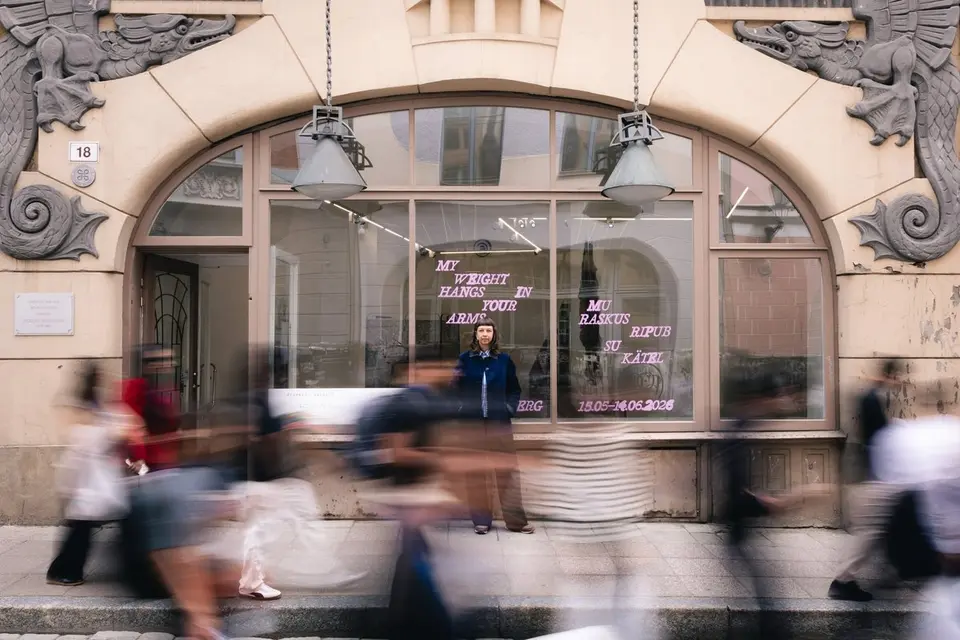
Arts Council president: I checked with patrol officers whether the police in the office were genuine
Arts Council president Maarin Ektermann received a call from his bank on 15 May regarding suspicious transactions. The following hours revealed a fraud scheme totalling €700,000 – according to delfi.ee, this is one of the largest such cases in Estonia's cultural sector.
Ektermann was away from the office when SEB called to report suspicious transactions. "That sentence alone sends you into a panic," he said. The chief accountant confirmed over the phone that she was a victim of the fraud scheme and that police were already on the scene.
Upon arriving at the office, two men in civilian clothes were standing in the accountants' office, and between them was a completely pale chief accountant. The men introduced themselves as police officers from the Northern Prefecture and wanted to take the chief accountant's computer immediately.
The bank's corporate client services, whom Ektermann spoke to by phone, found the immediate police presence suspicious – normally the client submits an application themselves. Ektermann called out a patrol unit, which confirmed that the men in the office were indeed police officers. However, he did not hand the computer to them.
The fraud had been running for a week
After police left, it emerged that the scheme had been operating for a week already. The bank statements showed pages full of payments, none of which were correct. "When I added up the sum, it was horrifying," said Ektermann.
The Ministry of Culture transfers creative grants and artist salaries to the arts council at the beginning of the year all at once, to two separate accounts. The perpetrators, who had access to the accounts, were able to move money between accounts and transfer sums when limits were exceeded.
The chief accountant learned the extent of the damage only when Ektermann returned to the office. On Friday evening, a criminal report was filed with police. That same evening, the Ministry of Culture was informed, as the money in question was related to creative grants and artist salaries.
Council convened in emergency session
On Saturday, notices were sent out for an emergency council meeting. On Monday evening, they met via Teams. Ektermann said the organisation wanted to talk to the council before going to the media and to avoid written notification.
During the session, information leaked to the media, to the web publication Geenius. "I still don't know where it came from, but I can say to journalists: good work," Ektermann commented. A press conference had already been decided on at that point, since it was taxpayers' money.
The council was asked for a mandate to begin addressing the crisis. Ektermann explained that the board decided not to resign: "In our assessment, resigning when a crisis breaks out would have been irresponsible. We felt a responsibility to devise a plan for how to resolve this difficult situation."
Audits had not flagged risks
Ektermann acknowledged that accounting was a department the organisation's reforms had not yet reached. The previous board had worked with the same accountants for 12 years. The organisation is audited every year, but auditors had not flagged serious risk areas.
The current board had been in office for just over a year. Ektermann said that at the council meeting they tried to be constructive and show that the organisation would survive: salaries and creative grants would not be jeopardised, no gallery would close.
When asked why the board did not personally demand compensation from the chief accountant, Ektermann did not provide a direct answer in the interview, but indicated that the focus is currently on resolving the crisis, not on finding those responsible.
Source: Google News EE — Crime (et)