Skimming: card fraud at cash machines persists in France
Skimming, a technique for cloning bank cards at physical automatic teller machines, remains a real threat despite its decline. In 2024, a network was operating near Toulouse.
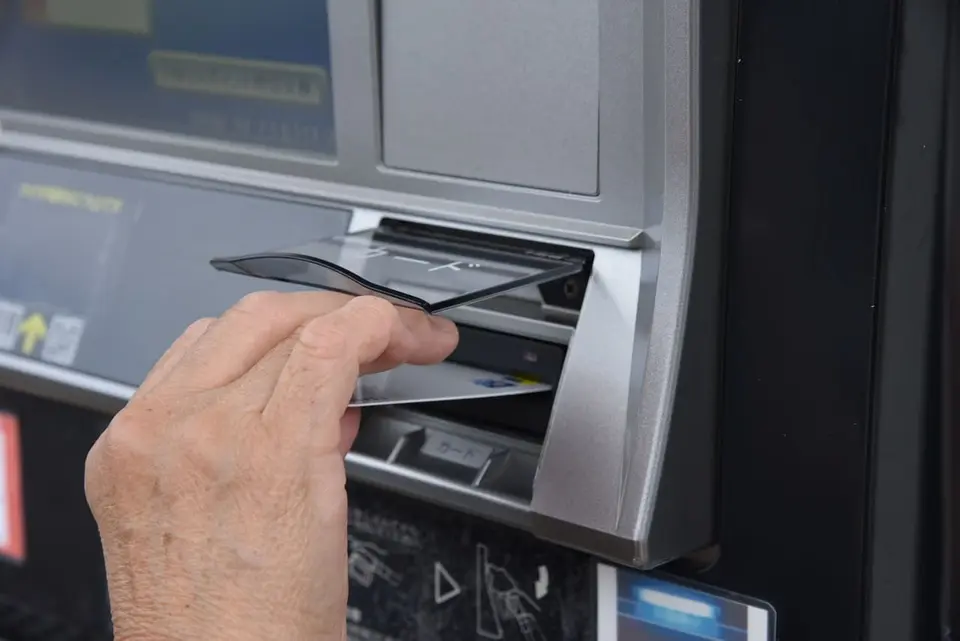
Card fraud through skimming: a risk that remains despite other scams
According to Google News FR — Crime (fr), skimming — a technique consisting of copying the data from a bank card without the knowledge of its holder — remains an active form of fraud, even though it has declined sharply since the 2000s.
Unlike phishing or hacking, which operate online, skimming takes place in the real world: at a petrol pump or at an automated teller machine. A device concealed in the slot of the automatic machine, called a "skimmer", duplicates the magnetic stripe of the card at the moment of insertion. A fake keyboard and a micro-camera hidden in a false cover then make it possible to capture the PIN code entered by the user.
The Observatory of Payment Security defines the skimmer as equipment designed to fit into the slot of an automatic machine whilst leaving sufficient space for a card to be inserted normally.
A network dismantled near Toulouse in 2024
In 2024, private transport companies located near Toulouse were victims of unlawful charges linked to fuel purchases. An organised gang was practising skimming on petrol pumps reserved for heavy goods vehicles. The data thus captured was then engraved onto blank cards, resold to foreign drivers to refuel at lower cost.
Decline in Europe, persistent risk abroad
The rise of the EMV chip and the strengthening of security measures on automatic machines have clearly discouraged fraudsters in Europe. The higher physical risk involved, compared to remote scams, has accelerated this decline.
Outside European territory, the situation remains different. Ageing fleets of automatic machines and less strict security standards expose cardholders more when they travel outside Europe.
Simple precautions recommended
Several habits can help limit exposure to skimming during physical transactions:
- Visually inspect the card reader and keyboard before any operation
- Cover the keyboard with your hand when entering the PIN code
- Favour automatic machines located in bank branches or monitored areas
- Report immediately any visible anomaly on an automatic machine
Skimming loses ground to digital fraud
The threat of skimming has largely given way to forms of scams conducted remotely: phishing, hacking, spoofing and vishing now concentrate most fraudulent activity linked to payment methods. These techniques, often scripted and orchestrated without physical contact, present a different risk profile for fraudsters and victims alike.
Vigilance nonetheless remains necessary during each physical transaction, in particular outside European borders.
Source: Google News FR — Crime (fr)