Triple murder in Amiens: Jérôme Debeauvais admits killings, denies rapes
Tried before the Somme assizes, Jérôme D., 52, has admitted to killing his partner, their three-year-old son and his sister-in-law in April 2022. However, he contests the accusations of rape.
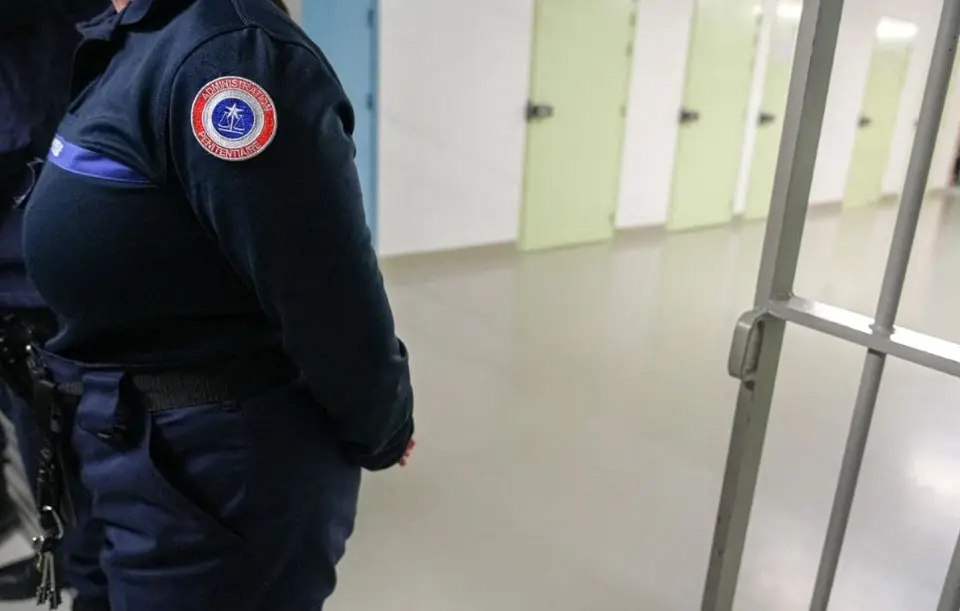
Trial in Amiens: partial confessions and unanswered questions at the heart of proceedings
According to 20minutes.fr, Jérôme D., 52, admitted on Tuesday before the Somme court of assizes to killing his partner Jennifer, 26, their three-year-old son and her sister, Amélia, 25, in April 2022 in Amiens. However, he denies all rape charges. "It's terrible, [...] you get the impression that I committed a collective lynching," he declared at the opening of the trial.
Facing the judges, the accused attempted to explain his actions. "There are many things that made me become someone like that, and that I attacked the victims savagely," he added. The trial is due to continue until Thursday.
Violence spanning several days
According to the investigation, the acts took place from 8 to 14 April 2022. It all began with an argument with his partner. "where I lost control," he admits. The next morning, he prepares breakfast for his son before suffocating him with a pillow. When questioned on this act by the court president — "Why did you kill him?" — the accused replied: "It was a point of no return, I also wanted to leave, but it didn't happen that way." He had previously sent a message to his sister-in-law Amélia asking her to come so he could announce "extraordinary news" to her. Once there, he held her captive for two days before killing her.
On this point, Jérôme D. claims to have "fuzzy" memories. The civil parties contest this version. A lawyer pointed out his contradictions from the stand: "You remember ordering vodka, McDonald's, buying a nail gun, you send messages to Amélia's and Jennifer's colleagues, and you don't remember doing internet searches for 'mechanical suffocation' or having held Amélia captive when you forced her to undress in your kitchen?"
A past marked by precarity and illness
From the stand, the accused described a difficult personal trajectory. Placed under child welfare care from birth, he claims to have suffered violence in his foster family. Diagnosed as bipolar, he also acknowledges problems with alcohol that gradually worsened his situation. He describes a "descent into hell" following a conviction for insurance fraud linked to the burning down of his bar in 2017 — the establishment where he had met Jennifer, then a waitress. At the time of the acts, he was unemployed and without resources.
His lawyer, Ms Zanovello, reminded the court that he had stopped his medical treatment at least six months before the murders. "What did you replace that treatment with?" she asked him. "Alcohol," Jérôme D. replied.
An attempted suicide after the acts
After the murders, the accused attempted to end his life. He bought an electric nail gun with the intention of committing suicide, without succeeding, and then deliberately caused a road accident. Hospitalised in a serious condition on 14 April, he was not placed in custody until two weeks later.
Criminal responsibility at the centre of proceedings
The Somme court of assizes must now decide on several questions: premeditation, the clarity of mind of the accused at the time of the acts, and his criminal responsibility given his psychiatric state. The psychological state of Jérôme D. constitutes a central axis of the defence strategy, which emphasises the cessation of treatment and alcohol consumption as determining factors. Between partial confessions and the contestation of rape accusations, the case promises to be complex for the court.
Source: Google News LU FR