Torre Annunziata dissolved for organised crime for the second time in 4 years: government commissionership decided by Council of Ministers
The Council of Ministers has dissolved the municipality of Torre Annunziata due to infiltrations by the Camorra. It is the second time in four years; mayor Cuccurullo had already resigned on 25 May.
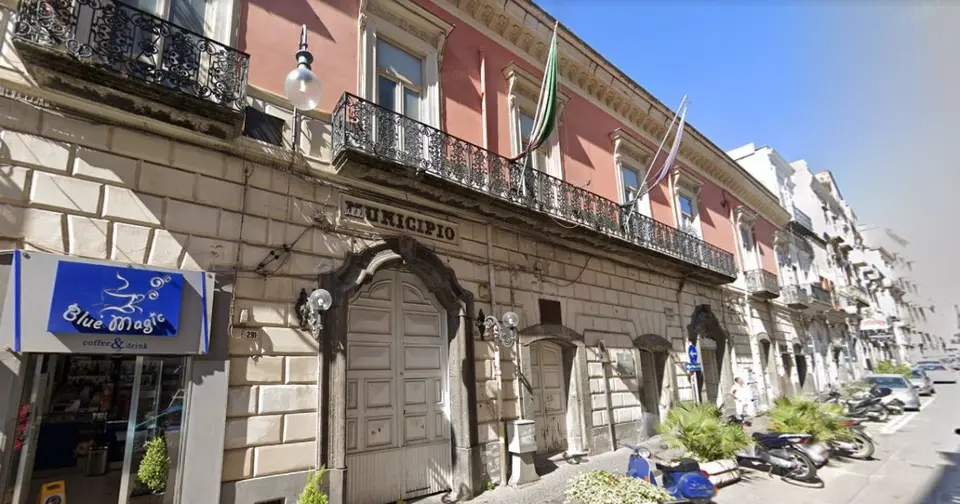
Torre Annunziata placed under commissionership for organised crime: second dissolution in four years
The Council of Ministers has ordered the dissolution of the municipality of Torre Annunziata due to infiltrations by the Camorra. This is reported by Il Fatto Quotidiano - Cronaca, noting that the decision was made on the proposal of Interior Minister Matteo Piantedosi. It is the second time in four years that the Campania city has been subject to such a measure, a circumstance that raises questions about the depth of criminal roots in the territory.
The council, led by the Democratic Party, was guided by mayor Corrado Cuccurullo, a university lecturer at his first political office and an expression of civil society. On 25 May, Cuccurullo made his resignation irrevocable, following a controversy triggered by words pronounced twenty days earlier by prosecutor Nunzio Fragliasso during the demolition ceremony of Palazzo Fienga, the former stronghold of the Gionta clan, in the presence of ministers Piantedosi and Salvini and the prefect of Naples Michele di Bari.
The resignation had matured in an already deteriorated context: in the twenty days that had passed, resignations of several councillors had been recorded, new investigations into two councillors accused of misappropriation of public funds, and revocations of assessors.
Prosecutor Fragliasso's intervention had been clear and, in hindsight, anticipatory of the dissolution. Fragliasso had participated in the meeting on 13 April of the committee for security and public order, in which the report of the access commission with the proposal to place the municipality under commissionership for organised crime had been discussed. In the following days, he had also been heard by the parliamentary anti-mafia commission, reiterating his assessments.
"There are still too many ties with organised crime, too many shadows and too many illegalities within the municipal administration itself," the magistrate had declared during the ceremony. "What is needed is fewer ceremonies, fewer declarations of principle and more concrete actions that are consistent with programmatic declarations, only then will it be possible to grasp the significance of genuine change, only then will we be able to say we have turned the page."
Commissionership for criminal infiltrations has far heavier consequences than that for political crisis: it entails the suspension of a return to the polls for at least 18 months and the ineligibility, for two electoral cycles, of administrators identified as responsible for the infiltrations. The names and specific responsibilities will emerge from the report of the access commission.
On the Saturday following his resignation, Cuccurullo had called a press conference to illustrate his reasons, ruling out a step back "unless something new happens that balances what has occurred". When asked by a journalist what such a novelty could be, the mayor had replied: "A meeting with the prosecutor." That meeting did not take place.
Source: Il Fatto Quotidiano - Cronaca