134 homicides in Peru in the first days of Fujimori's government: 76% committed with firearms
During the first 26 days of Keiko Fujimori's government, 134 homicides were recorded in Peru, with 76% committed with firearms, according to Sinadef data.
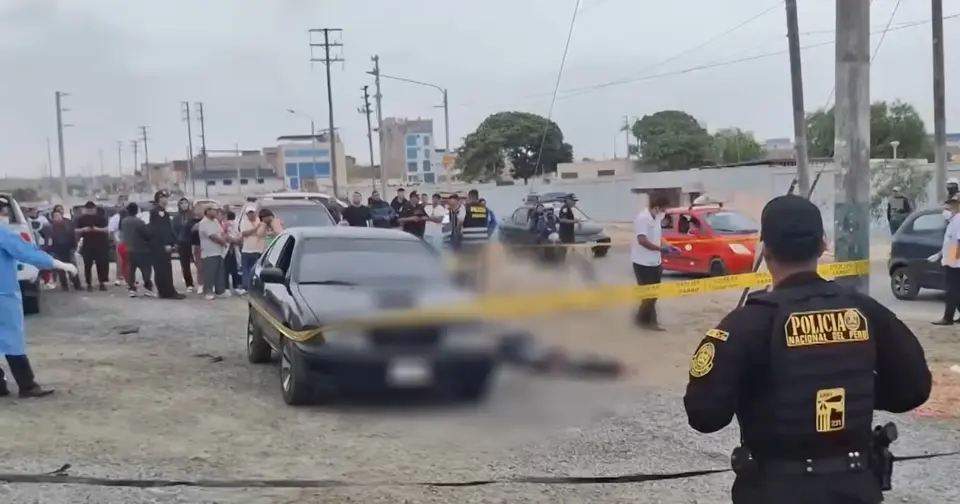
First 26 days of Fujimori's government: 134 deaths and the majority by bullets
Peru recorded 134 homicides between 28 July and 22 August 2026, during the first weeks of President Keiko Fujimori's administration, according to data from the National Informatics System of Deaths (Sinadef) updated to 22 August. This was reported by infobae.com, based on analysis by data specialist Juan Carbajal.
Of that total, 102 victims—equivalent to 76.1%—died from firearm projectile impacts (PAF). Lima and Callao account for the majority of cases recorded during that period.
Figures likely underestimated
Carbajal, who published his analysis on social media platform X, warned that the true figure could be higher. At least 14 violent deaths caused by firearm projectiles remain classified as "unknown" in the Sinadef database, which prevents a complete and immediate update of the record. The majority of those pending cases also correspond to Lima and Callao.
The specialist specified that figures may vary as Sinadef processes files from previous days, so the final number of homicides could increase as the review progresses.
Sustained upward trend since 2017
The context of lethal violence in the country is not new. According to annual statistics from Sinadef itself, 2025 closed with 2,218 murders, exceeding the 2,083 in 2024 and the 1,511 recorded in 2023. The daily average during 2025 was 6.07 homicides per day.
The historical series shows uninterrupted growth: in 2017, 678 homicides were reported, and the figure has continued to increase until the record reached in 2025.
Lima leads the regional list with 837 victims in 2025, followed by La Libertad with 237, Callao with 192, Piura with 154 and Ica with 93. Lethal violence, however, is not confined to the capital: regions in the north and south of the country are also recording an intensification of the phenomenon.
Transport workers, frequent targets of hitmen
During the period January-November 2025, approximately 70 citizens linked to the transport sector were murdered by hitmen hired by criminal groups that extort transport companies. These organisations demand payment of daily "fees" in exchange for not attacking routes, according to analysis of Sinadef records cited by Carbajal.
Emergency status in Lima and Callao
During the first 55 days of the state of emergency decreed in Lima and Callao, 113 homicides were recorded. The most affected districts were San Martín de Porres and Puente Piedra, in North Lima, as well as San Juan de Miraflores, Ate and Bellavista.
Widespread perception of insecurity
The violence recorded in the statistics coincides with a widespread sense of insecurity among the population. According to the 'Security Barometer' drawn up using data from polling firm Ipsos, 76% of Peruvians declared they do not feel safe on the streets. Information from the company Verisure also indicates that 28% of citizens do not consider themselves safe within their own homes.
Limitations of official records
Carbajal emphasised that the Sinadef database has structural limitations: certain homicides, particularly those perpetrated with firearms, remain classified as "unknown" until their investigation or formal identification in the system is concluded. This situation affects the accuracy of figures and demonstrates the need to improve registration and real-time update processes, according to the specialist.
The concentration of unclassified cases in Lima and Callao reinforces the trend that both regions remain the epicentre of lethal violence in the country during the start of the new government.
Source: Google News PE — Lima