Supreme Court decides that recorded statements from domestic violence victims can be used even without testimony at trial
Court ruling establishes that statements for future reference have the status of anticipated evidence and are not equivalent to other police statements.
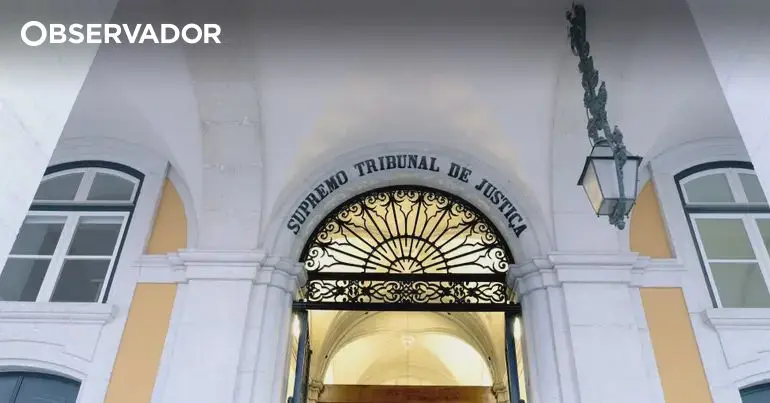
Supreme Court decides that recorded statements from domestic violence victims can be used even without testimony at trial
The Supreme Court of Justice (STJ) has established that recordings made by victims of domestic violence and by witnesses with family or matrimonial ties to the accused can be valued in court, even when these individuals refuse to testify at hearing. The decision was made on Wednesday and announced on Thursday.
The understanding of the judge counsellors is that these recordings, designated "for future reference", possess the nature of anticipated evidence and cannot be compared to other statements collected during police investigations or by the Public Prosecution Service. Therefore, the prohibition on reading previous statements when the witness refuses to speak at trial does not apply to this specific type of declaration.
The issue arose in a case in which a daughter of the accused, a victim of domestic violence, gave recorded statements during the investigation but refused to testify again when the case came to trial. The first-instance court based the conviction on these recordings.
The STJ justified the decision with the objective of this mechanism: to prevent victims from being re-victimised by having to relive traumatic moments. The superior court recalled a previous decision which had already assigned them the same probative value as evidence produced at trial.
The ruling also mentioned that the rule allowing direct family members to refuse to testify aims to prevent conflicts of conscience and safeguard the credibility of evidence, preventing the truth of the testimony from being compromised by the conflict experienced.
Source: Observador
Source: Google News PT — Crime (pt)