Syracuse University Blocks Rape Victim's Access to 1980s Police Records
Syracuse University intervened to limit police records sought by a 1987 campus rape victim. A New York judge ruled in the university's favour; an appeal is now pending.
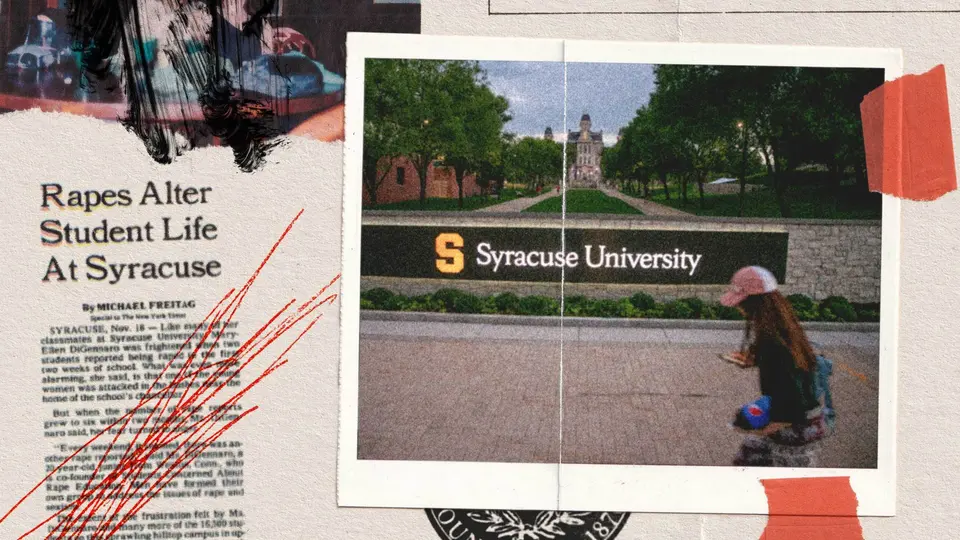
Syracuse University moves to restrict police records in 1987 campus rape lawsuit
Google News MT — Crime (en) reports that Syracuse University has taken legal steps to prevent a former student, identified in court filings as Jane Doe, from obtaining police records she is seeking in support of a civil lawsuit against the institution.
Jane Doe was attacked at knifepoint in a bathroom on the third floor of the university's music building at approximately 6:30 p.m. on 27 February 1987. Her assailant had entered through an unlocked door, according to the lawsuit. The complaint further alleges that the university administration offered her "zero support" after the assault and that the music programme director — now deceased — told her, "Men get raped, too," and advised her to get "back on the horse."
The case is being brought under New York's Adult Survivors Act, legislation that opened a one-year exemption from the statute of limitations for survivors of long-ago sexual assaults to pursue claims against alleged abusers and negligent institutions.
University intervenes after police agreed to hand over records
Jane Doe's attorney, Andrew Stengel, a former Manhattan prosecutor, had asked the Syracuse Police Department for all police calls and reports tied to a range of crimes between 1982 and 1987 within the ZIP code containing the university, Thornden Park, and surrounding residential and commercial areas. Emails filed as exhibits show that a lawyer for the police department itself suggested focusing the search on that ZIP code, and the two sides agreed on the terms in August 2025. The department then began gathering the records.
One month later, Syracuse University filed a motion to "partially quash" the subpoena. Citing case law applicable only to central and western New York, university lawyers argued the institution had standing to restrict the request even though it was not itself the recipient of the subpoena. The school contended the subpoena was "overbroad" and suffered "from fatal geographic overreach" that rendered it "unreasonably burdensome and irrelevant."
The police department subsequently reversed its earlier position and joined the university's motion. In a February brief, the department estimated it would require 845 hours and roughly $50,000 in staff time to produce the records that its own lawyer had initially approved. A city spokesperson said the City of Syracuse does not comment on ongoing litigation.
Judge rules for university; victim appeals
New York state court Judge Joseph Lamendola ruled in the university's favour in February, dramatically narrowing the records available to Jane Doe. She had sought the documents to support her argument that the university should have increased security in response to a documented escalation of crime in the surrounding area.
In June, her legal team appealed that ruling to a state appellate court.
At the original hearing, John Powers, an attorney retained by the university, noted that the judge had himself previously represented the city of Syracuse, remarking that the city is "inundated with [Freedom of Information Law] responses and subpoenas, and it's incredibly burdensome on the city, I think, as you know in your experience as well." Powers also told the court that the relevant records were too old to have been digitised.
Stengel characterised the university's conduct in stark terms. "It smacks of the 1980s when SU quashed media coverage of sexual assault. It's that all over again," he said, accusing the university of "retraumatising" his client "by pretending sexual assault wasn't a problem on campus and in the surrounding area."
Syracuse University Vice President of Communications Sarah Scalese said in an emailed statement that the university "does not comment on active litigation." In an earlier response, Scalese stated the institution "has a robust structure in place to support those affected by sexual and relationship violence," including confidential counselling, advocacy, and investigation and resolution services.
Broader pattern of assault in the 1980s
Jane Doe's case sits within a wider history of sexual violence documented on and around the Syracuse campus throughout that decade. The scale of the assaults eventually prompted student protests, attracted national press coverage, and contributed to the passage of federal legislation requiring universities to publicly report crime statistics.
An earlier ProPublica investigation, prompted in part by the wrongful conviction of Anthony Broadwater for the rape of author Alice Sebold — who was attacked on the last night of her freshman year at Syracuse in 1981 — found that more than a dozen women, many of them students, reported being raped or attacked by strangers in a half-square-mile area near the campus over four years. Sebold's was the third reported attack in Thornden Park, which borders the campus, within approximately seven months.
Some police reports from the period were marked "NO PRESS." According to testimony from a former Syracuse detective, this notation reflected university influence within the police department: officials had "put their foot down and said no press for any kind of rape, robbery, burglary that's anywhere in the area of Syracuse University."
The appellate proceedings are ongoing. The university has not addressed the substance of the historical allegations in its public statements.
Source: Google News MT — Crime (en)