Saskatchewan sisters get new appeal 30 years after 1994 murder conviction
Justice Minister Sean Fraser has ordered a new appeal for Odelia and Neressa Quewezance, convicted of second-degree murder in 1994. New evidence suggests a miscarriage of justice occurred.
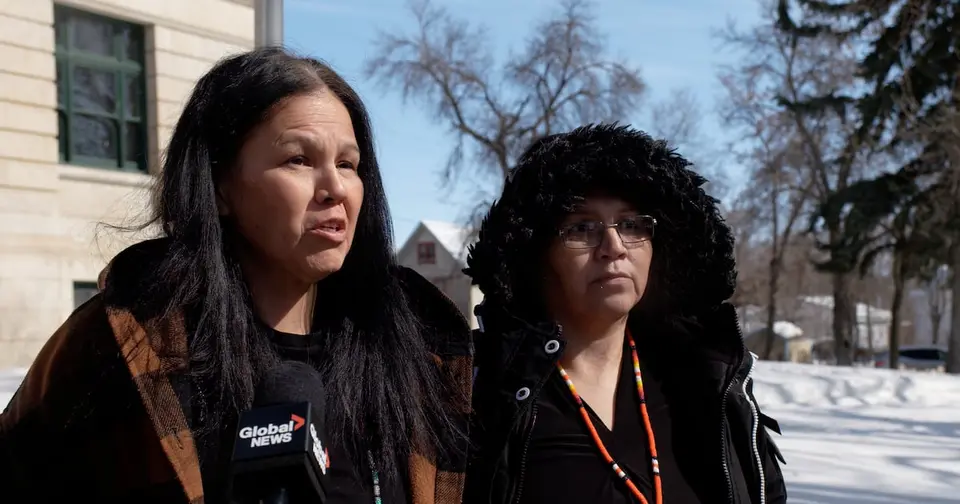
New appeal ordered for Quewezance sisters after three decades behind bars
Canada's Minister of Justice and Attorney General Sean Fraser has ordered a new appeal in the case of Odelia and Neressa Quewezance, two Saskatchewan sisters convicted of second-degree murder more than 30 years ago, cp24.com reports.
The sisters were convicted in 1994 in connection with the 1993 death of 70-year-old Anthony Dolff of Kamsack, Saskatchewan, and were sentenced to life in prison. They rank among Canada's longest-serving female inmates and have maintained their innocence throughout their decades of incarceration.
In a statement to The Canadian Press, Odelia Quewezance said the decision was encouraging. "We have never stopped fighting," she said on behalf of herself and her sister. "Thank you to all those who have kept the faith in us."
Fraser announced Thursday that an in-depth review of the case found reasonable grounds to conclude a miscarriage of justice did occur, based on newly identified information. The case will now return to the courts so that new evidence can be considered.
"As Minister of Justice, I have the authority under the Criminal Code to order a new trial or appeal when new evidence shows a miscarriage of justice likely occurred," Fraser said in the announcement. "My decision does not decide guilt or innocence, as that will rest with the courts."
The case had previously drawn attention from Innocence Canada, an organization that advocates for those it believes were wrongfully convicted. According to the organization, the Quewezance case was flagged by David Milgaard — who spent 23 years in prison for the 1969 murder of a Saskatoon nursing student before his own conviction was overturned.
In 2021, the Congress of Aboriginal Peoples called for the sisters' immediate release after Jason Keshane — a man who was with them on the day of the crime — admitted responsibility for the killing. Keshane, who was a youth at the time, received a four-year sentence for second-degree murder.
The sisters were granted conditional release in 2023 but were subsequently returned to custody after breaching bail conditions. They had been in the process of a judicial review of their convictions on the basis of a miscarriage of justice when Thursday's ministerial decision was announced.
Fraser emphasized that the government's role is to ensure public trust in the justice system. "Our responsibility is to make sure Canadians can trust their justice system, and that means, in rare cases, returning cases to the courts for new information to be considered," he said.
Source: Google News CA — Crime (EN)