13 November attacks: Mohamed Bakkali could be released early in Belgium
Sentenced to 30 years for his logistical role in the Paris attacks, Mohamed Bakkali is eligible for sentence mitigation. A hearing is scheduled for 29 September.
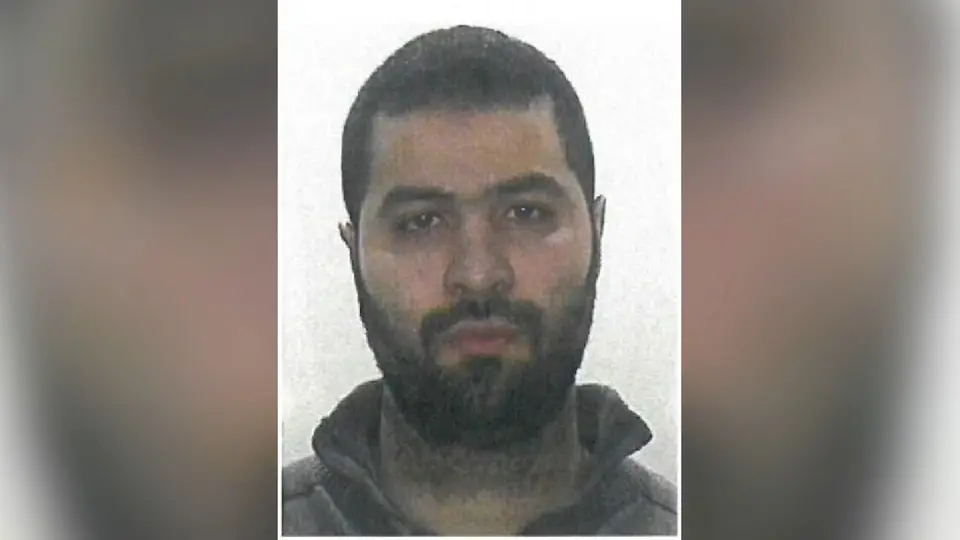
Bakkali, logistician of the 13 November attacks, facing possible early release
Mohamed Bakkali, sentenced for his role in the preparation of the Paris attacks of 13 November 2015, could benefit from sentence mitigation, according to RTBF Info. A hearing before the sentence application tribunal (TAP) in Brussels is scheduled for 29 September.
The man has been convicted twice for terrorist offences. He first received a 25-year prison sentence for his involvement in a failed attack on a Thalys train between Brussels and Paris on 21 August 2015. He was subsequently sentenced to 30 years for providing safe houses and vehicles to the perpetrators of the 13 November attacks. In September 2022, the French national counter-terrorism prosecutor reduced both sentences to the maximum legal term of 30 years.
Transferred to a Belgian prison, Bakkali is now held in Ittre prison. He has been in detention for eleven years. This transfer placed him under Belgian legislation regarding sentence execution, which significantly alters the rules applicable to his situation.
Since July 2025, he has benefited from several exit permits and 36-hour prison leave. According to the TAP, he has made considerable efforts to restore contact with victims whom he has already met, which the tribunal interpreted as a clear willingness to reintegrate into society.
A legal gap between France and Belgium
The Paris court of assizes had imposed against him a security period preventing him from requesting conditional release before twenty years. But this mechanism does not apply on the same terms under Belgian law.
Marie-Aude Beernaert, professor of criminal procedure at UCLouvain, explains the difference: "Under Belgian law, we also know the security period, we have applied it since 2018, but our Constitutional Court deemed that we could not apply this security period retrospectively, that is to say impose and execute it for acts that were committed before 2018."
Victims face incomprehension
On the Wednesday preceding publication, the Brussels prosecutor, the French national counter-terrorism prosecutor and the justice centres brought together families of the victims to inform them of their rights in the context of this procedure. The emotion was palpable.
Dominique Kielemoes, president of the association 13/11/15 Fraternité et Vérité, sums up the general incomprehension: "He was responsible for the deaths of 130 people on the streets of Paris. Nearly 500 injured. And after 10 years, he risks being able to go out at weekends, or even leave altogether."
The father of a Bataclan victim expressed a feeling of abandonment: "I have never heard him say: I recognise what I did and I regret it."
Arthur Dénouveaux, a survivor of the Bataclan, speaks of a sense of betrayal: "Ultimately, we held a trial for ten months and we realise afterwards that it was probably not French law that applied, but Belgian law."
The conditions to be met remain numerous
Release at one-third of the sentence is not automatic. Marie-Aude Beernaert details the requirements: "You must demonstrate the presence of a reintegration plan. You must demonstrate that you no longer pose a serious risk of committing new offences. You must demonstrate that you will not harass the victims and that you have behaved towards them in an acceptable manner."
The Brussels prosecutor opposes any measure of conditional release or electronic monitoring at this stage. This opinion remains non-binding for the tribunal, however. The TAP in Brussels will deliver its decision at the hearing on 29 September.
Source: RTBF Info