US-Brazil diplomatic crisis hampers fight against transnational organised crime
Tension between Washington and Brasília blocks visas for Federal Police officers and stalls cooperation against trafficking and money laundering, according to the New York Times.
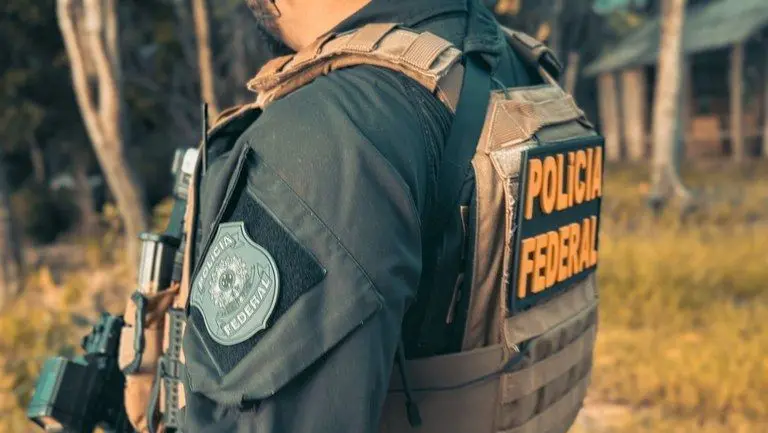
Visa blockade paralyses police cooperation between Brazil and USA
The diplomatic crisis between Brazil and the United States is damaging bilateral cooperation in combating organised crime, according to a New York Times report published this Saturday (12). CNNBrasil.com.br covered the material, which is based on Brazilian and American authorities interviewed under conditions of anonymity.
According to the sources, the US State Department is blocking visas for two Brazilian Federal Police officers who had been assigned to work jointly with US federal agencies in combating transnational crimes. One of these officers was scheduled to replace delegate Marcelo Ivo de Carvalho, who was expelled from the United States after participating in the arrest of former deputy Alexandre Ramagem.
The American government is also said to have refused a request for a visit by Brazilian customs and tax authority agents who are investigating money laundering and arms trafficking carried out by international drug gangs.
In a statement to the New York Times, the State Department said the Trump administration is protecting "the nation and its citizens, by maintaining the highest standards of national security and public safety through our visa process," adding that it will continue working with Brazil in pursuit of "long-standing shared interests." The State Department has not responded to CNN Brasil's contact as of the time of publication.
In response to American restrictions, Brazilian authorities interviewed by the NYT state that Brazil is withholding the visa of an American police official who was to work in the country. The Federal Police and the Tax Authority have not commented as of the close of the report.
Experts consulted by the American newspaper warn that, although technical cooperation and intelligence sharing continue to function, the lack of high-level coordination could compromise larger-scale operations.
The sources cited in the report point out that Brazilian criminal organisations use the US financial system to launder money and take advantage of more permissive gun legislation in some American states to smuggle illegal weapons to Brazil.
Brazil is also described as a strategic route for cocaine trafficking destined for Europe, Africa and other regions of the world. Brazilian factions have formed alliances with Mexican and Colombian gangs to distribute drugs from Latin America.
The newspaper highlights that the deterioration of cooperation has already produced at least one concrete operational misalignment. In July, the Federal Police reported that sanctions imposed by the US against two Brazilians allegedly linked to the PCC led to the advancement of Operation Exchange, which may have compromised the outcome of the action — including the escape of one of the individuals being investigated.
The PCC (Primeiro Comando da Capital) and the CV (Comando Vermelho) were classified by the United States as "Specially Designated Global Terrorists" and "Foreign Terrorist Organisations."
Source: Google News BR — Crime