Colombian police alert over 3,600 victims of digital scams during Love and Friendship celebrations
The National Police identified over 3,600 victims of digital fraud in 2026 and recovered approximately 4,800 million pesos in cryptocurrencies. The scams range from fake shops to dates that end in theft by chemical incapacitation.
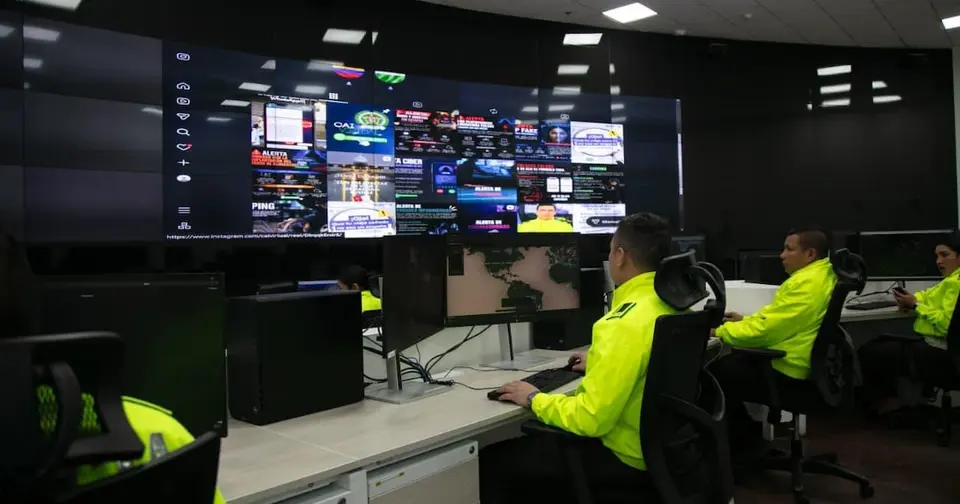
Over 3,600 victims of digital fraud during Love and Friendship season
According to infobae.com, Colombia's National Police identified over 3,600 victims of digital scams so far in 2026, with a rise in criminal activity taking advantage of Love and Friendship celebrations. Authorities recovered approximately 4,800 million pesos in cryptocurrencies linked to these crimes over the past year.
Major Rodrigo Acevedo, sub-chief of the Cyber Police Centre of the Criminal Investigation Directorate and Interpol (Dijín), was direct in his warning: "If it seems too good to be true, it probably isn't. Be very careful with what you buy during these Love and Friendship dates."
Flowers, perfumes and holiday packages that never arrive
Among the most frequent scams are offers of flowers, surprise breakfasts, perfumes, farm rentals and holiday packages. Criminals advertise non-existent products or services on social media and search engines, charge in advance and disappear.
Discounts of 50% or 70%, "last chance" promotions and urgency messages are warning signs that Acevedo highlighted in particular. These posts can direct users to fake profiles that imitate the appearance of legitimate businesses.
Fraudulent websites replicate the design of official pages. "They lead us to provide our personal data, our credentials or to make money transfers for products or services that ultimately never arrive," explained the major.
Another method begins with a supposed delivery notice: the victim receives a message informing them that they will receive a mobile phone, a tablet or another device they never requested. Whoever presents themselves as the delivery agent then demands a payment to complete the dispatch.
How scam networks operate
These organisations do not act individually. One person designs the advertising materials, another builds the fraudulent portals, a third contacts the victims and other members seek bank accounts to receive the funds. Their members can be located in different countries.
Some people lend their accounts without knowing the origin of the money. According to Acevedo, criminals convince them that they are participating in advertising work on social networks, whilst using their banking details to move illegally obtained resources.
Links sent by text messages also direct victims to fraudulent sites, where they are asked for passwords, verification codes, financial data or bank transfers. Moving a conversation from an e-commerce platform to WhatsApp, Telegram or Signal poses an additional risk: the protection mechanisms of the original site fall outside the buyer's reach. "If you start moving to other platforms, it generates the risk," the officer noted.
Dates that end in theft by chemical incapacitation
Dating applications are another channel used to commit theft through chemical incapacitation. In this method, the victim is drugged before criminals steal their belongings or make transfers in their name, especially in cryptocurrencies.
The Police identified this risk mainly in Medellín, Bogotá and Cartagena, cities where foreign visitors arrive to arrange encounters. The organisations post attractive profiles, craft messages to build trust and have people in charge of quickly removing victims from hotels or residences.
During 2026, authorities froze or seized over 1,400 million pesos in cryptocurrencies related to cases of chemical incapacitation, resources intended to be returned to the victims.
Recommendations from the National Police
The institution provided a series of specific measures to reduce the risk of falling victim to these frauds:
- Check the full address of the webpage before entering any data.
- Do not open links sent from unknown numbers.
- Do not share passwords or banking information through any channel.
- Verify the account holder and account number before making a transfer.
- Check whether the images or videos of a product appear on other profiles, a sign that the offer may not be authentic.
Victims can lodge a formal complaint with the Office of the Attorney General of the Nation or seek guidance at the Virtual Police Station, available 24 hours at www.caivirtual.policia.gov.co, and through the WhatsApp channel 323 273 3411.
Source: Google News CO — Crime