Three arrested for 85 ticket fraud scams using fake concert entries on social media
The Guardia Civil dismantled a criminal group that sold non-existent tickets for festivals and concerts through social media. Those investigated face charges of fraud, money laundering, and membership of a criminal organisation.
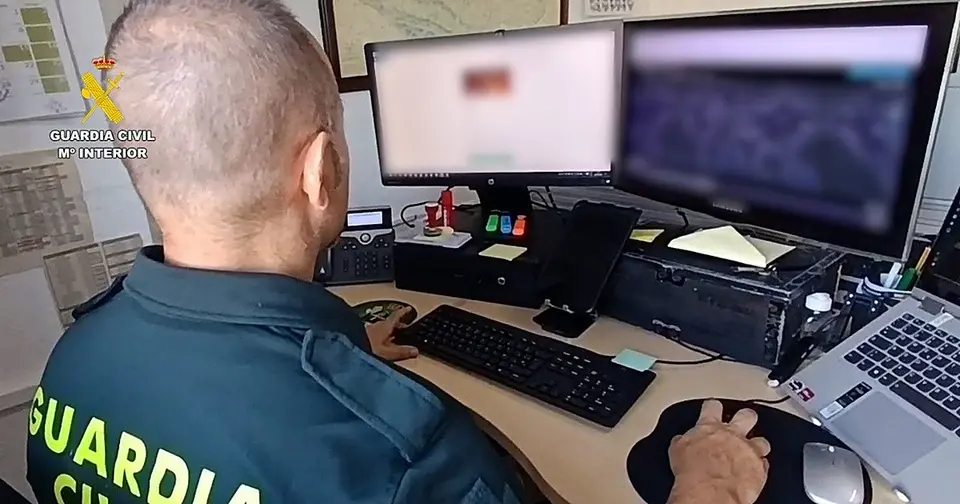
Operation 'Estramayor': three arrested for massive festival ticket frauds
The Guardia Civil has arrested three people as alleged perpetrators of 85 offences of fraud, money laundering, and membership of a criminal group, related to the fraudulent sale of concert and festival tickets through social media. This is reported by ABC, which covers a press statement issued by the armed institute regarding the operation called 'Estramayor'.
The investigation began at the end of 2025, when a victim filed a complaint at the Guardia Civil post in Castellar de Santiago. The complainant reported having paid for tickets to a concert in the province of Ciudad Real that never reached her possession. Officers from the same post assumed the investigation from that moment on.
How the group operated
The method followed a systematic pattern. The group's members posted advertisements and created false profiles on various social media platforms, posing as individuals who had tickets for sold-out events across the national territory. This way they located desperate buyers seeking access to concerts with already sold-out tickets.
Once contact was established, they would agree on the price and request payment via Bizum or other electronic transfers. To make tracing the money more difficult, they used a large number of different bank accounts. After receiving the sum, the fraudsters would stop responding to their victims, block the profiles used during negotiation, or make excuses to justify why the tickets had not yet been sent.
Roles within the organisation
Investigators managed to identify a clear division of functions within the group. One of those arrested was specifically in charge of creating false profiles on social media. The other members were responsible for opening numerous bank accounts and moving money through them via successive transfers or the use of online betting houses. This technique, known as mixing, aimed to erase the trail of the funds and make it difficult to identify their final recipient.
Digital tracking and police collaboration
The analysis of complaints received and the traceability of financial movements allowed officers to detect common elements among different cases: repeated telephone numbers, shared profiles on social media, matching bank accounts, and identical payment methods. The Guardia Civil worked in coordination with the National Police and the Mossos d'Esquadra to identify a total of 85 offences on a national scale.
Investigators also warned that this type of fraud is experiencing exponential growth, especially during the summer months, when demand for festival and concert tickets increases notably and many events sell out rapidly.
The proceedings have been forwarded to the Court of First Instance, Civil and Instruction Section of Valdepeñas.
Source: ABC