"Telia" and police offer seniors a guide to guard against phone scams
Lithuania recorded almost 4,000 fraud cases in the second quarter of this year. "Telia" and police have prepared a guide to help identify fraudsters.
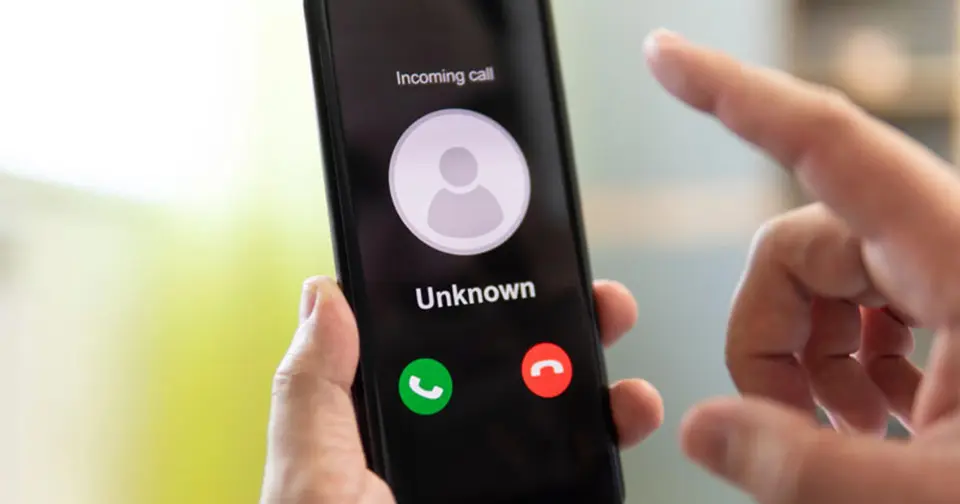
Scammers target seniors' decency, not naivety
Google News LT — Crime (lt) reports that telecommunications company "Telia" and Lithuanian police have prepared a brief guide intended to help older residents identify telephone scammers. The document is recommended to be printed out and hung in a visible place in the home – beside the telephone, on the refrigerator or near the television.
According to data from the Money Laundering Prevention Competence Centre, almost 4,000 fraud cases were registered in Lithuania during the second quarter of this year – one-sixth more than during the first quarter. From April to June, criminals attempted to extort more than 13 million euros from residents and businesses. A larger proportion of these operations was halted, but actual losses reached approximately 5 million euros.
Julija Markeliūnė, head of diversity and inclusion at "Telia", emphasises that very intelligent, calculated people also fall victim to scammers' traps. According to her, scammers cynically target the values of older generations: decency, trust in institutions and respect for officials. "It is mistaken to think that seniors become targets because of their naivety. Criminals exploit not their weaknesses, but their decency," says Markeliūnė.
How the scam works
According to the expert, one of the most common schemes is a video call during which an unidentified person in uniform introduces themselves as a police investigator. A police station image is visible in the background, so the victim does not doubt their identity. The scammer addresses the person by name and surname, dictates their exact address, and lies that someone is trying to take out a quick loan in their name after their personal data has been leaked.
"A frightened senior respects the official, tries to behave responsibly, and therefore agrees to help the investigation and provides their login details themselves," describes Markeliūnė the specific situation.
She also points to the psychological side of fraud: when people understand the deception, they often choose to remain silent out of shame. "Scammers understand this psychology very well and constantly change their tactics: if intimidation does not work, they try to build a warm, close relationship. We must speak loudly about the fact that falling victim to scammers is not a sign of stupidity," she says.
What to do when you receive a suspicious call
Revita Janavičiūtė, adviser in the Communications Department of the Police Department, urges people to follow one most important rule – stop. "If during a conversation you are asked to disclose login credentials, PIN codes or transfer money, the call must be terminated immediately. A real police officer or bank employee would never ask for such information over the phone," she emphasises.
Janavičiūtė also reminds: even if the caller knows your name, address or other personal information, it does not mean they can be trusted. If in doubt, it is always worth consulting with close relatives or contacting the institution directly using official contact details.
Experts once again confirm: employees of banks, police and other institutions never ask over the phone to disclose internet banking login credentials, "Smart-ID" or "Mobile-ID" PIN codes or payment card details.
Guide – as a protective measure
The guide prepared by "Telia" and Lithuanian police recalls the main signs for identifying scammers. It is also possible to note down your bank and communications operator's contact details so that if needed you can quickly verify information or report a scam.
Experts emphasise: a brief pause during an unexpected call often becomes the most important protection. And if you have been a victim of scammers – do not be ashamed and report it to the police, your bank and close relatives as soon as possible.
Source: Google News LT — Crime (lt)