Jill Dando murder: Scotland Yard reviews 1999 CCTV footage using new technology
Scotland Yard is using advances in CCTV enhancement technology to re-examine 27-year-old footage from Putney Bridge station in the unsolved murder of BBC presenter Jill Dando.
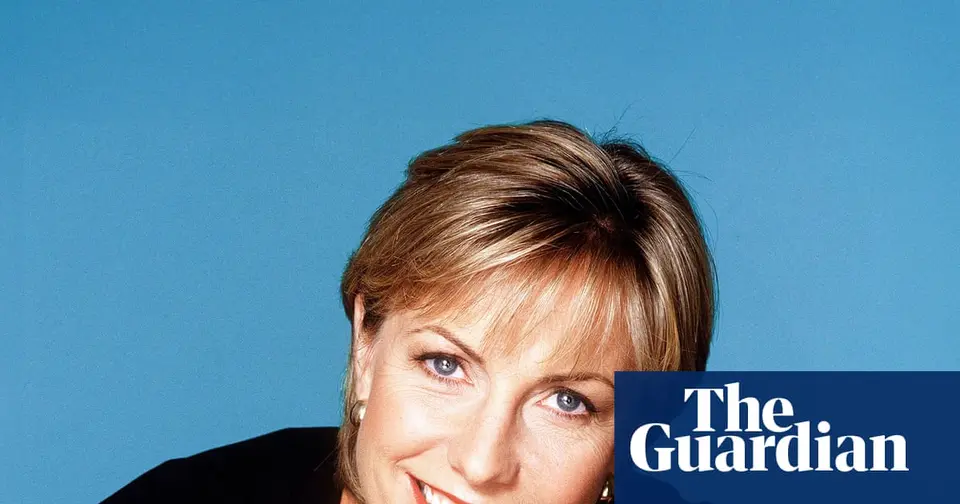
Scotland Yard revisits Putney Bridge CCTV in Jill Dando cold case
Scotland Yard is using advances in CCTV enhancement technology to re-examine footage from Putney Bridge Underground station in the unsolved murder of BBC broadcaster Jill Dando, The Guardian UK reports. Detectives stressed the review forms part of existing inquiries and does not constitute a new investigation.
Dando, then 37, was shot and killed outside her home in Fulham, west London, on 26 April 1999. The case has never been solved. An unidentified man, referred to as "Man X", was captured on CCTV near Putney Bridge station — approximately a mile from Dando's home — shortly after the attack. A witness who saw a man "running for his life" on Fulham Palace Road around the time of the shooting later identified Man X as the person she had seen sprinting, according to the Mirror.
A Metropolitan Police spokesperson said: "In the 27 years since Jill Dando's murder, the investigation has been subject to numerous reviews, aiming to identify whether matters could be progressed with advances in technology and forensics."
"Recent advancements in CCTV enhancement technology have provided investigators with the opportunity to re-examine original footage from Putney Bridge train station," the spokesperson added. "The review of CCTV footage forms part of ongoing inquiries and should not be interpreted as a significant line of inquiry nor as a new investigation being opened on this matter."
Dando was best known to viewers as a presenter on Crimewatch. She also appeared on BBC programmes including travel show Holiday and The Antiques Inspectors during the 1980s and 1990s, having begun her career as a reporter at The Weston Mercury in Weston-super-Mare, Somerset, before joining Breakfast Time — later BBC Breakfast.
In 2019, the detective who led the original murder inquiry, Hamish Campbell, said he doubted the case would ever be resolved. Speaking in a BBC documentary to mark 20 years since the shooting, Campbell said he did not expect any new suspects to be brought to court.
"Do I think somebody will come back to court? Probably not, no," Campbell said. "Sometimes, I felt we were a day away from solving it and other times, I thought: 'No, we're a long way away'."
Campbell described the scale of the inquiry: "We had over 2,000 people named as potential suspects or responsible. Some actions to trace and eliminate one person might take a day. One action might take two weeks. But there's thousands of them and that's the issue of managing stranger homicides."
Senior officers at the time had also questioned the likelihood of a resolution, he noted.
Source: The Guardian UK