Chicago Tylenol Murders: California chemist linked to 1982 cyanide deaths
Idaho officials believe Dr. Mathew Francis Betkouski, a California organic chemist, may be the "Tylenol Murderer" who killed seven in 1982 Chicago.
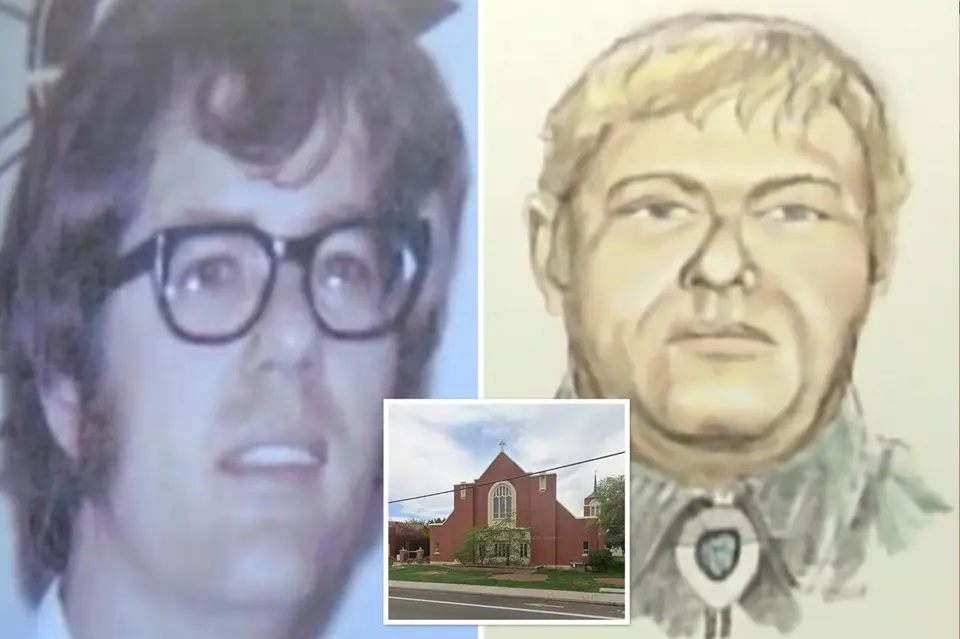
Idaho investigators link California chemist to 1982 Chicago Tylenol poisoning case
A California man who died by suicide in an Idaho church in 1982 may have been responsible for the cyanide poisoning deaths of seven people in Chicago that same year, according to new evidence released Tuesday by the Ada County Sheriff's Office in Boise, Idaho. NY Post Metro reports that officials are now examining whether Dr. Mathew Francis Betkouski — known to investigators as the "Unknown Wanderer" — is the long-sought "Tylenol Murderer."
Betkouski died by suicide via cyanide poisoning inside the church. ACSO Cold Case Detective Tim Cooper said his office has assembled multiple pieces of evidence linking Betkouski to the Tylenol murders, but acknowledged the absence of a definitive "smoking gun." Idaho investigators have passed their findings to Chicago police, stopping short of formally naming Betkouski a suspect.
Identifying the "Unknown Wanderer"
Investigators initially traced Betkouski's identity through a key found on his body. A marking on the key matched a street in Jacksonville, Florida. A search of property records revealed a parcel owned by a man reported deceased in 1989. Police then located his sole surviving family member — a brother living in Los Angeles — who confirmed that Betkouski had lived in Jacksonville until he went missing in 1982, the same year the "Unknown Wanderer" died. Betkouski was declared dead in absentia in 1989.
DNA comparison between material from the "Unknown Wanderer's" wallet and the brother confirmed their relationship, formally establishing that Dr. Matthew Francis Betkouski — an organic chemist — was the man who took his life in the Idaho church.
Evidence found at the family home
After Betkouski's brother died in 2021, Idaho police were granted access to the family home by remaining relatives. Inside, they found photographs, personal letters, and a hand-drawn map of Chicago that investigators believe was produced in the 1970s. A small bottle of cyanide bearing a handwritten label was also recovered at the property.
The bottle did not contain potassium cyanide, the substance used in the Chicago Tylenol poisonings. It held sodium cyanide derived from peach and apricot pits, which police suspect was a homemade mixture.
Investigators also examined self-portraits Betkouski took in Chicago in 1981 — images they initially believed dated to 1982. Ultimately, police could not place him in Chicago during late September 1982, when seven people consumed Tylenol capsules laced with cyanide and died. All seven victims were 35 or younger; the youngest was 12 years old.
Workplace conduct raised earlier alarms
Additional evidence points to a possible connection. Scientists who worked alongside Betkouski at Lockheed Martin in 1979 recalled him discussing how poison could be introduced into capsules of over-the-counter medication. Lockheed Martin dismissed him in 1982 following an altercation at a pharmacy in which he allegedly attempted to obtain pills or capsules "for an experiment." Police were called and subsequently found him conducting experiments in his home garden.
Chicago's response and prior suspect
Chicago police confirmed they are in contact with Idaho investigators "regarding its investigation to determine whether there is a connection to the Tylenol murders investigation, which remains an open cold case." The city's FBI branch noted that many claims have surfaced over the past 44 years alleging links to the murders, characterizing most as "unsubstantiated."
"Out of respect for the ongoing, legitimate investigation, those impacted by the tragedy, and the law enforcement partners who have provided genuine support since the start, the FBI remains the lead on investigating and releasing credible information to the public once the evidence yields a true case resolution," the bureau told CBS.
Chicago police had long considered James Lewis — who died in 2023 — their primary suspect. Lewis allegedly sent an extortion letter to pharmaceutical company Johnson & Johnson demanding $1 million to stop the killings and spent more than a decade in prison for the crime. Some officials believed there was sufficient evidence to charge him with the murders themselves, CBS reported.
Family tie to Los Angeles City Hall
Investigators noted a striking historical footnote: Betkouski's grandfather, Martin F. Betkouski, served as a Los Angeles City Council member from 1909 to 1917 and briefly as interim mayor for several days in 1916.
Source: NY Post Metro