LCBO deploys paid-duty police officers in over 40 Ontario stores to fight organized retail theft
The LCBO is stationing police officers in more than 40 high-risk stores across Ontario, targeting organized crime groups it says account for 70% of theft losses.
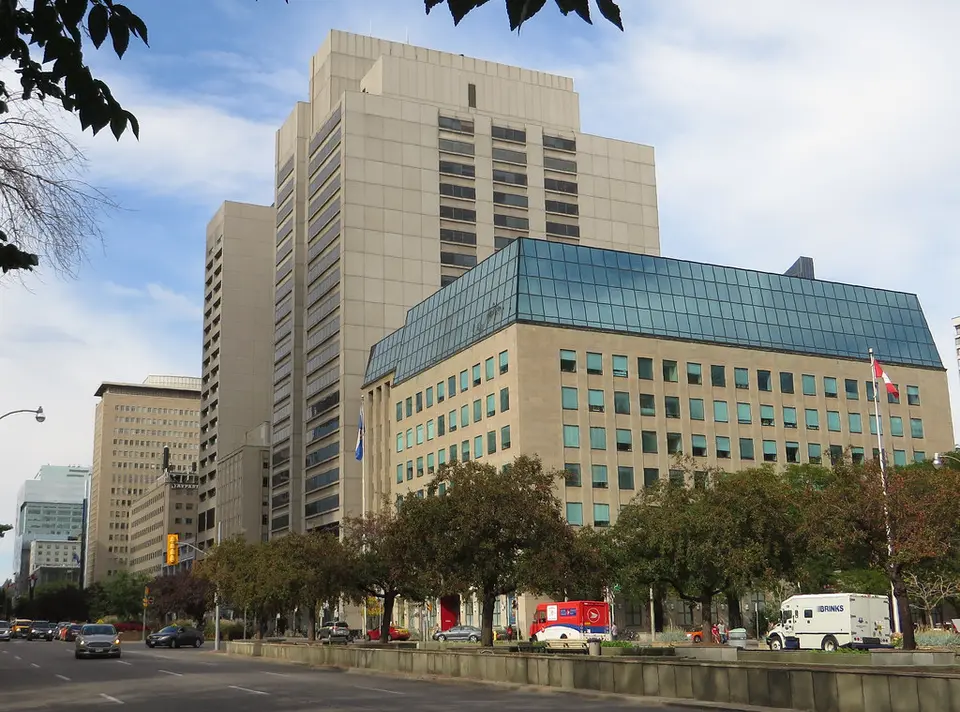
LCBO stations police officers in 40-plus stores amid organized retail crime surge
The Liquor Control Board of Ontario is deploying paid-duty police officers to more than 40 stores across the province, cbc.ca reports, as part of a broad security initiative aimed at repeat offenders linked to organized crime.
The LCBO announced the measures in a news release on Wednesday, saying the push would concentrate on the highest-risk store locations. The organization estimates that organized retail crime accounts for roughly 70 per cent of its theft-related losses.
"We're doing so in an effort, especially as the holidays come along, to ensure that our customers, our employees, are first and foremost safe and that our product is protected and stays on our shelves," said Sebastian Skamski, the LCBO's director of media relations, in an interview with CBC News.
The initiative builds on existing security efforts that the LCBO says have resulted in more than 2,000 arrests over the past year.
Alongside uniformed officers from local law enforcement, the LCBO will post additional uniformed security guards at its busiest and most-targeted locations. Plainclothes security guards will also circulate in stores with repeated theft incidents and will be authorized to intervene directly and make on-site arrests.
Third-party security contractors will receive refresher training in handling in-store incidents and supporting law enforcement, the LCBO added.
Ian Messenger, professor of public safety at Seneca Polytechnic, called the shift significant. "It's a recognition of the extent of organized retail crime and at the same time, the limitations of private security guards," he told CBC News.
Messenger noted that third-party guards typically operate under instructions not to engage with active thefts, limiting their role to deterrence. The new measures represent a move away from that model toward active intervention.
The announcement comes as Canadian retailers and law enforcement face mounting pressure over organized shoplifting. Shoplifting rates have climbed for five consecutive years between 2020 and 2025, according to Statistics Canada.
Stores targeted by the security blitz are those "in the crosshairs of organized crime," Skamski said — locations where coordinated theft rings have repeatedly struck, often sending multiple individuals to systematically clear shelves of high-value product.
Source: Google News CA — Crime (EN)