Quezada sentenced to three years in prison in suitcase drug case
The former president of the TDJ pleaded guilty and was sentenced in abbreviated proceedings. He is the first person convicted in the 'suitcase case'.
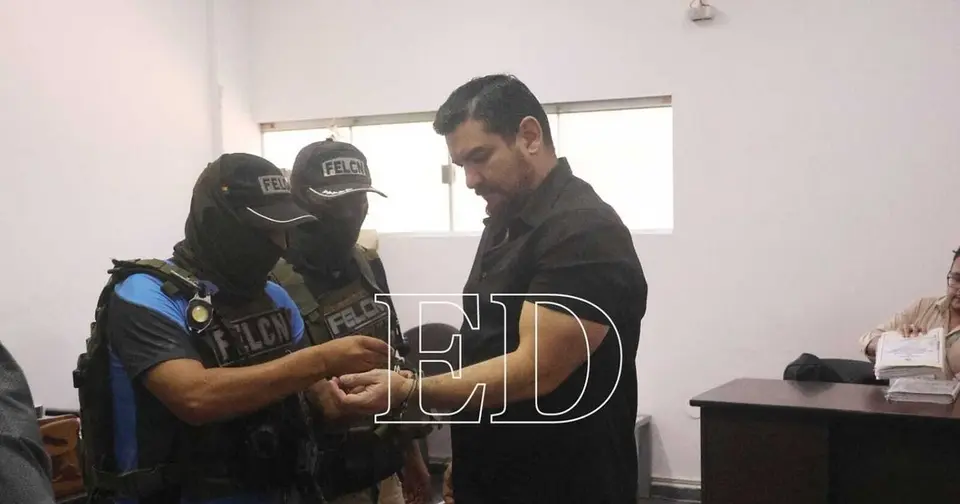
Former TDJ president, first sentenced in the 'suitcase case'
Aldo Quezada, former president of the Santa Cruz Departmental Court of Justice (TDJ), received a three-year prison sentence after pleading guilty and submitting to abbreviated proceedings. According to El Deber, the sentence was issued at the Los Lotes court, making him the first convicted person in what is known as the 'suitcase case'.
Before entering the hearing room, Quezada avoided responding to questions from the media, but directed a message to his daughters: "Please my loves, don't believe everything you see on television. (...) Always have faith," the former official said in front of the cameras.
The Public Prosecutor's Office accused him of the crimes of drug trafficking, criminal association and conspiracy. Quezada went from being a witness to an accused after the Public Ministry expanded its statement following his arrest, which occurred on Wednesday 11 November in the capital of Santa Cruz.
The case implicated other figures in the Bolivian justice system. Among those involved are Rómer Saucedo, former president of the Supreme Court of Justice (TSJ); Róger Mariaca, former attorney general of the State; Alberto Zeballos, former departmental fiscal of Santa Cruz; and Delmy Guzmán, former fiscal. On Thursday 12 November, Mauricio Requena, former adviser to Saucedo, was detained in preventive custody at Palmasola prison.
Since the start of the investigations, former deputy Laura Rojas and former judge Heber Zeballos have also been linked to the case. Both gave statements pointing to Mariaca and Saucedo as responsible for the transfer and custody of the suitcases allegedly loaded with marijuana, after Saucedo announced his exile.
Source: El Deber