TSE creates task force to map organised crime in Brazilian elections
Minister Kassio Nunes Marques established a working group to identify the influence of criminal factions and militias in the electoral process. The group has 120 days to present an action plan to the TSE.
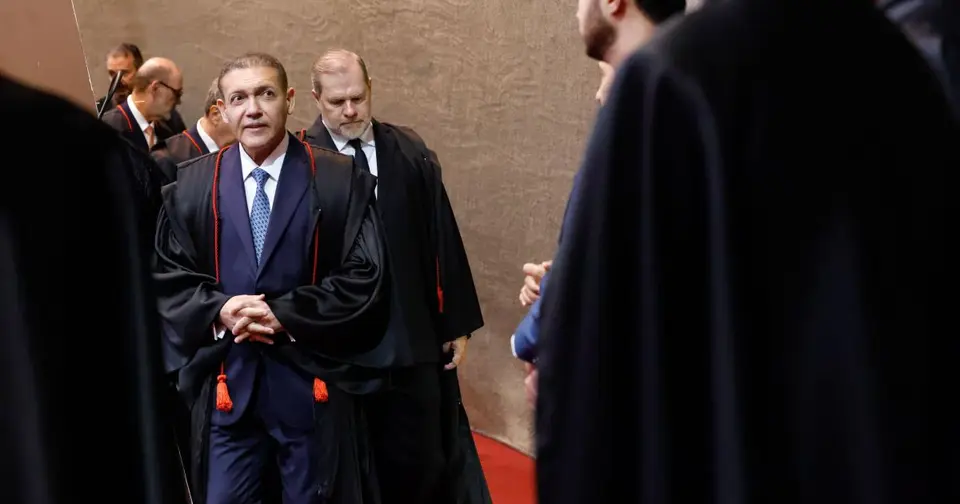
TSE launches task force against organised crime influence in elections
The president of the Superior Electoral Court (TSE), Minister Kassio Nunes Marques, signed an ordinance last Monday (23rd) creating a working group to map the activities of organised crime in elections, as reported by cnnbrasil.com.br. The document was published in the Electoral Justice Gazette on Wednesday (25th).
The group's mission will be to assess risks of illicit campaign financing, infiltration of criminal organisations in political and administrative structures, coercion of voters and intimidation of candidates. The team comprises seven members, including representatives from Electoral Justice and the Electoral Public Prosecutor's Office, coordinated by auxiliary judge Graciela de Rezende Henriquez.
The deadline for presenting to the TSE presidency a work plan with proposed actions and an execution schedule is 120 days.
Concern about organised crime's advance into politics is not new. In this year's elections, the Electoral Public Prosecutor's Office questioned the registration of 42 candidacies across ten states on suspicion of links with criminal and paramilitary organisations. Of these, 22 candidates had their registration blocked by the Electoral Justice. The majority are still awaiting judgment of appeals in the Regional Electoral Courts (TREs) and in the TSE itself.
The Constitution prohibits the use of paramilitary organisations by political parties. Based on this provision, the TSE has adopted the understanding that politicians linked to these organisations can be barred from running in elections even without a final criminal conviction.
Earlier this year, the attorney general of the republic and head of the Electoral Public Prosecutor's Office, Paulo Gonet, had already warned CNN Brasil that organised crime's influence on the electoral process was one of the main challenges of the October elections. "These threats do not only affect female and male candidates, but compromise the very legitimacy of democratic institutions," Gonet stated.
Among the Electoral Public Prosecutor's Office preventative actions, the creation of a working group at the end of 2025 to support prosecutors stands out. This team works in permanent contact with Special Performance Groups for Combating Organised Crime (Gaecos) and with the Intelligence Centres of the Federal Public Prosecutor's Offices, of the States and of the Federal District and Territories.
Source: Google News BR — Crime