Capricorn Biocean Corridor alerts Chilean prosecutor to drug-trafficking route risk
An Antofagasta prosecutor warns that the new commercial corridor could attract criminal organisations towards Chilean ports. Bolivia faces an additional security challenge.
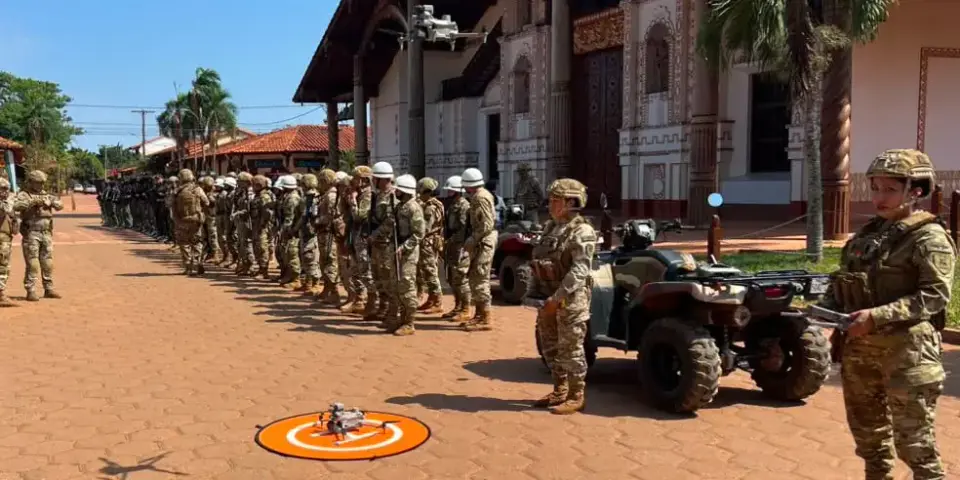
Antofagasta prosecutor warns about use of Biocean Corridor by drug-trafficking networks
The regional prosecutor of Antofagasta, Juan Castro Bekios, warned that the advancement of the Capricorn Biocean Corridor could prove attractive to criminal organisations operating in Brazil, Paraguay and other South American countries. The warning was made in an interview with Emol and, according to eju.tv, adds to concrete evidence about drug movement from Bolivia towards northern Chile.
The corridor will connect Brazil with ports in northern Chile through Paraguay and Argentina, without crossing Bolivian territory. Nevertheless, Castro Bekios pointed out that his assessment stems from knowledge of the routes used by criminal organisations from neighbouring countries and from investigations linked to marijuana trafficking from Paraguay. Based on this evidence, he considered it possible that such networks would seek new logistical alternatives to reduce transportation times and costs.
The prosecutor focused on the ports of Antofagasta, Mejillones and Iquique. According to his analysis, these terminals could attract criminal networks due to lower alert levels compared with other major ports in the region. He added that the groups could seek outlets towards the Asia-Pacific markets, where the price of cocaine is high.
The corridor's infrastructure would reduce transportation time by up to ten days and around 30 per cent of logistical costs, in addition to avoiding passage through the Panama Canal, factors which would also increase its attractiveness to organised crime.
The concern is backed up by recent operations. In July, the Chilean Prosecutor's Office reported on proceedings in Antofagasta and Calama that resulted in the seizure of 2.7 tonnes of drugs and the detention of Bolivian citizens involved in some of the cases being investigated. In one of those operations in Calama, authorities detained a Bolivian citizen and seized 963 kilogrammes of marijuana; in another, three Bolivian citizens were detained with 290 kilogrammes of processed marijuana.
Castro Bekios also warned about the possible entry of illicit capital into economic activities in the Antofagasta region, with special attention to the mining sector and the port logistical chain.
For Bolivia, the situation presents a dual challenge. Although the Capricorn Biocean Corridor does not cross its territory, the expansion of commercial routes towards the Pacific could modify regional logistical circuits and increase the strategic importance of borders and international crossings in western Bolivia. An analysis by the Bolivian Institute of Foreign Trade (IBCE) indicates that the new connection could divert part of the commercial flows that currently transit through Bolivian territory, placing the country before a simultaneous challenge in commercial and security matters in the face of the reconfiguration of regional routes.
Source: Google News BO — Crime