Europol: 10 Cypriot networks among 731 most dangerous in EU – 8 involved in drugs
Europol presented a new report in Brussels on the most dangerous criminal networks in the EU, with ten of them identified in Cyprus.
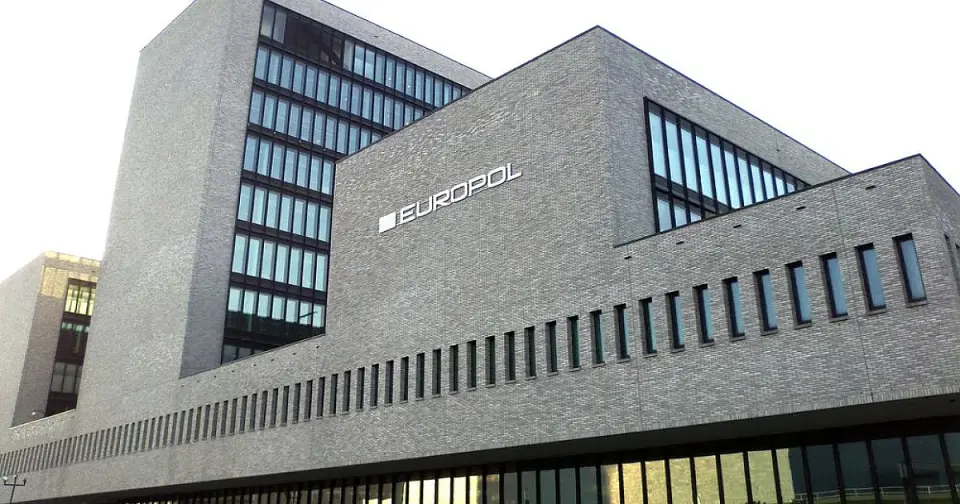
Ten Cypriot criminal networks in Europol report on "criminal enterprises"
Ten Cypriot criminal networks are included among the 731 most dangerous operating within the European Union, according to the second Europol report presented in Brussels. As reported by Politis, eight of the ten Cypriot networks are primarily involved in drug trafficking, whilst the remaining networks are linked to extortion, illegal gambling, money laundering and other serious criminal activities.
The total number of networks decreased compared to the first 2024 report, which had identified 821. The presentation was conducted by Internal Affairs and Migration Commissioner Magnus Brunner, Europol Deputy Executive Director Jürgen Ebner and Cyprus Police Chief Themistós Arnaoutis, who represented the Cypriot Presidency of the EU Council.
"Criminal enterprises", not street gangs
Commissioner Brunner stressed that criminal networks "are very flexible — they shift, merge, continuously reinvent themselves, which makes them harder to identify and dismantle". With 85% of criminal groups using legitimate business methods, "our economies remain deeply exposed to infiltration by organised crime", he assessed.
"These are not street gangs — they are, in fact, criminal enterprises", Brunner stated, characterising them as multinational criminal networks that "concentrate on the most profitable markets", such as drug trafficking with profit of €31 billion, digital fraud and migrant smuggling.
Survival and resilience
Deputy Executive Director Ebner characterised the report as "a health check of crime". Networks that remain active from 2024 "are hierarchically structured, often family-based, clan-based, internationally well-connected — their cells are active worldwide", he noted.
According to Ebner, approximately 80% of criminal groups that had been presented two years ago either disappeared, were dismantled, or were disrupted — a result that he himself characterised as a success of law enforcement action. However, he clarified that the reduced number does not mean a reduction in organised crime: "It is simply a reflection of what member states see in their investigations".
The 20% of networks that survive possess "very strong financial support, sophisticated countermeasures and high levels of corruption", he explained. When under law enforcement pressure, "they reorganise, readjust and can easily set up new structures and replace people".
This is also reflected in the central theme of the report, which is titled "the blueprint of criminal opportunism". "If a top criminal target is arrested, the demand does not disappear. The opportunity for profit remains, so someone else will take their place", Ebner noted.
The key conclusion of Europol's head is that "international law enforcement cooperation works" and that many networks were dismantled through coordinated operations across Europe. For the future, the focus must shift beyond individual high-value targets: "We need to tackle the ecosystem behind it".
Arnaoutis: "A call to action" for Cyprus
Police Chief Themistós Arnaoutis characterised the report as "a call to action", emphasising that organised crime "continues to evolve rapidly, becoming increasingly sophisticated, cross-border and resilient".
Analysing the figures for the island, Arnaoutis noted that of the 59 criminal networks identified as active in Cyprus, 10 were assessed as among the most dangerous and were included in the national contribution to the report. Eight of these are primarily involved in drug trafficking, whilst the remaining networks are linked to extortion, illegal gambling and money laundering.
"No country can tackle organised crime alone. The strength of criminal networks lies in their ability to operate cross-border, to adapt rapidly and to exploit weaknesses where they exist", Arnaoutis stated. "Our strength must lie in our unity, in our cooperation and in our shared determination", he added. "Together we can ensure that organised crime will not determine the future of our societies".
When asked about money laundering and underground banking through "money mules" — with increasing use of cryptocurrencies and moving away from cash transactions — as a trend in member states with a strong role as a financial centre such as Cyprus, the Police Chief responded that this threat is now a significant priority for the island's authorities.
Source: Politis