Operation in Barahona: 17 arrested and network of adulterated alcohol, drugs and smuggling dismantled
The Dominican National Police arrested 17 people and seized adulterated beverages, drugs and weapons from entertainment venues in Barahona. Among the items seized: 380 grammes of narcotics and 50 containers of clerén.
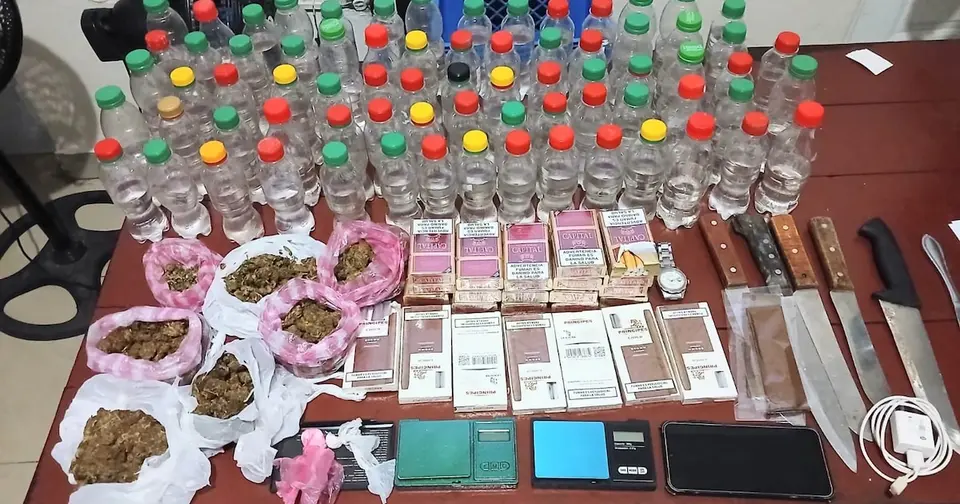
Seventeen arrested in Barahona following joint operation against illicit network
The National Police of the Dominican Republic arrested 17 people during an operation carried out on Saturday in various sectors and entertainment venues in Barahona, according to infobae.com. The deployment uncovered a network that allegedly combined the sale of adulterated alcohol, controlled substances and smuggled merchandise.
Institutional spokesperson Diego Pesqueira specified that the action was carried out by agencies under the Southern Regional Directorate, with support from the National Drug Control Directorate (DNCD), the Dominican Army and other security forces. The interventions made it possible to dismantle several improvised points that, according to police reports, allegedly operated for the distribution of controlled substances.
Items seized
Among the items seized were 380 grammes of various narcotic substances, 50 containers with adulterated alcoholic beverages, six bladed weapons, two scales and 24 packets of contraband cigarettes. The beverages seized were identified as clerén, a homemade preparation that poses a health risk when produced or sold without controls.
Pesqueira indicated that the 17 detainees will be handed over to the Public Ministry, which will define the procedural steps for each case. The Police did not specify whether all will face charges directly linked to the manufacture of adulterated alcohol or with the other offences under investigation.
Background in the region
The Barahona operation is part of a series of similar interventions recorded during 2025. On 15 May, the National Police reported the dismantling of a clandestine laboratory in Mena Abajo, municipality of Tamayo, Bahoruco Province, where 12 tanks and nine gallons containing a yellowish liquid intended, according to the authorities, for the production of adulterated rum were seized.
Two days later, a new operation in Batey 6, also in Tamayo, located 21 metal tanks and 19 gallons with a substance allegedly used to manufacture illicit beverages. In both cases the authorities destroyed the seized material.
In June, the Public Ministry seized 4,956 units of adulterated alcoholic beverages and expired products in shops in San Cristóbal. The Procuracy stated that part of the merchandise lacked health registration and that the case involved alleged violations of Laws 42-01 and 17-19.
In July, moreover, the Police dismantled a clandestine clerén or triculí factory in Cabral, Barahona, where tanks with fermenting liquid were seized and announced the search for the alleged operators of the site.
Applicable legal framework
The production, storage and commercialisation of adulterated alcohol or without the required authorisations is regulated by several Dominican regulations. Law 17-19 on the Eradication of Illicit Trade, Smuggling and Counterfeiting of Regulated Products includes alcoholic products among regulated merchandise and considers their manufacture or distribution without registration, licence or authorisation illicit.
This regulation establishes the seizure of merchandise and provides for administrative and criminal sanctions, as well as possible closure of the establishment involved. The specific penalties depend on the conduct attributed, the volume of the operation, any counterfeiting of brand marks, tax evasion and other elements determined by the judicial investigation.
To this framework are added the General Health Law 42-01 and Law 243-68 on Alcohols, provisions that the authorities regularly invoke in operations against clandestine laboratories and sales points that commercialise beverages without health registration or with signs of adulteration.
Source: Google News DO — Crime