Organised crime groups sell appointments for residency cards for up to €2,000
Computer technicians reserve appointments to process the Foreigner Identification Card and then resell them to migrants for sums ranging from €100 to €2,000, worsening the collapse of the regularisation system.
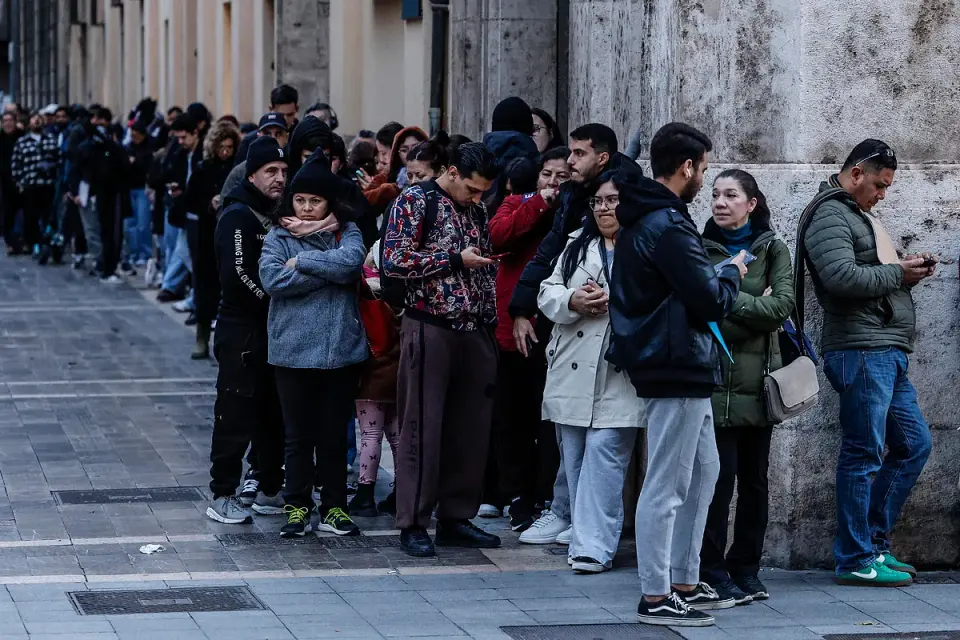
Organised crime groups sell appointments for residency cards for up to €2,000
The mass regularisation of migrants driven by the Government faces a new obstacle: the illicit trading of prior appointments to process the Foreigner Identification Card. According to alerts issued by senior police officials to El Mundo, organised gangs have infiltrated the booking system and resell each appointment for amounts ranging from one hundred to two thousand euros.
The modus operandi is simple but effective. Computer technicians block slots in the schedule using automated programmes. Once those spaces are occupied, they are commercialised to people who need to formalise their legal status. When the buyer pays the required amount, the scammers enter their personal data into the platform, making the appointment appear as already allocated. This mechanism prevents other applicants from accessing those time slots, congesting an already saturated system further.
Heads of the Foreigner Affairs brigades fear that the National Police lack the means to manage more than one million two hundred thousand regularisation cases. The volume of work, combined with the shortage of human and technical resources, turns the procedure into an "agonising" task both for officials and for those involved.
The situation has generated profound discontent within the force. Senior officers believe that the Ministry of Migration, headed by Elma Saiz, has deliberately excluded them from the process, restricting their role to purely administrative documentation duties. According to officers, this exclusion weakens controls on document verification and opens the door to errors in the checking of criminal records.
The General Commissariat of Foreigners and Borders warned from the outset about the risks of the measure. The chief central commissioner for Operations, Alfredo García Miravete, signed a report in which he rejected the supposed "social urgency" cited by the Executive and anticipated "significant negative effects", including growing "social mistrust".
In addition to the trafficking of appointments, the authorities predict that organised crime groups will find a lucrative opportunity in family reunifications. Police calculations put the figure at three million people who could legalise their status in Spain within a year, including the relatives of applicants. Experts fear that cases will emerge of foreign nationals who pay legal residents to pass them off as relatives, facilitating false documentation and false witnesses.
The collapse of the appointment system is not the only obstacle. Officers predict that the computer platform will not withstand the avalanche of procedures once the Ministry of Migration transfers validated cases to the Police for the issuance of physical cards.
Source: Google News ES — Crime (es)