Customs seizes 40.8 tonnes of contraband cigarettes in one week
French customs seized 40.8 tonnes of contraband cigarettes in one week, representing a 58 per cent increase compared with the same period last year. This trafficking costs the state several billion euros annually and is becoming increasingly professionally organised.
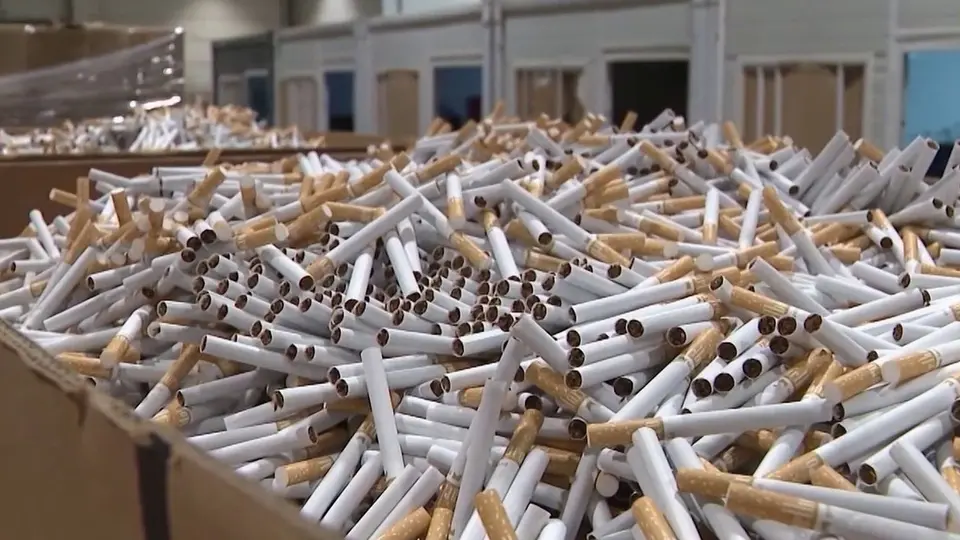
Record seizure of contraband tobacco at French borders
According to France Info, customs intercepted 40.8 tonnes of illegal cigarettes over the course of a single week, representing a 58 per cent increase compared with the same period the previous year. This large-scale operation is part of an intensified campaign against trafficking that supplies the French parallel market in massive quantities.
Tens of thousands of vehicles were inspected during this vast campaign by the general directorate of customs. Contraband tobacco regularly floods the areas around railway stations, tourist zones and metro stops, where street vendors offer packets at cut-price rates — up to three times cheaper than in official retail outlets.
In France, approximately one packet in six escapes the legal distribution network of tobacconists. This commercial drain represents an estimated tax loss of 4.3 billion euros per year to the state budget. The seized cigarettes come from varied sources: some arrive by sea from the other side of the world. In Saint-Martin in the Caribbean, customs confiscated twenty tonnes via ships.
The packaging of these products often displays text in Chinese, making it impossible to verify quality or traceability. Consumers nevertheless accept this health risk due to the substantial price differential. A smoker interviewed on hidden camera in northern Paris explained: "It's three times cheaper. It's like at the tobacco shop, the packets are black."
The phenomenon reveals a concerning shift: criminal networks are no longer content with simply importing. A clandestine cigarette manufacturing factory was dismantled in Belgium two months ago, testifying to the upmarket evolution of these organisations. Gilbert Beltran, head of service at the general directorate of customs, emphasises: "These criminal organisations are moving upmarket in terms of the level of criminality. Because to be able to set up a tobacco manufacturing factory, it still requires logistics, and it requires significant financial investment."
The prosecution of contraband as organised crime exposes traffickers to severe sentences: a maximum of ten years' imprisonment and a fine equivalent to ten times the value of seized goods. Despite these risks, the continued professionalisation of networks suggests that profit margins justify the escalation of criminal risk.
This intensification of controls and seizures reflects the government priority given to tobacco taxation and the fight against organised smuggling, a sector where the financial stakes far exceed simple public health concerns.
Source: France Info