Marseille gangs recruit children to kill and traffic drugs, BBC investigation reveals
A BBC investigation reveals how French drug cartels, notably the DZ Mafia in Marseille, recruit minors to sell, kidnap and murder. Nearly 10,000 children were implicated in 2024.
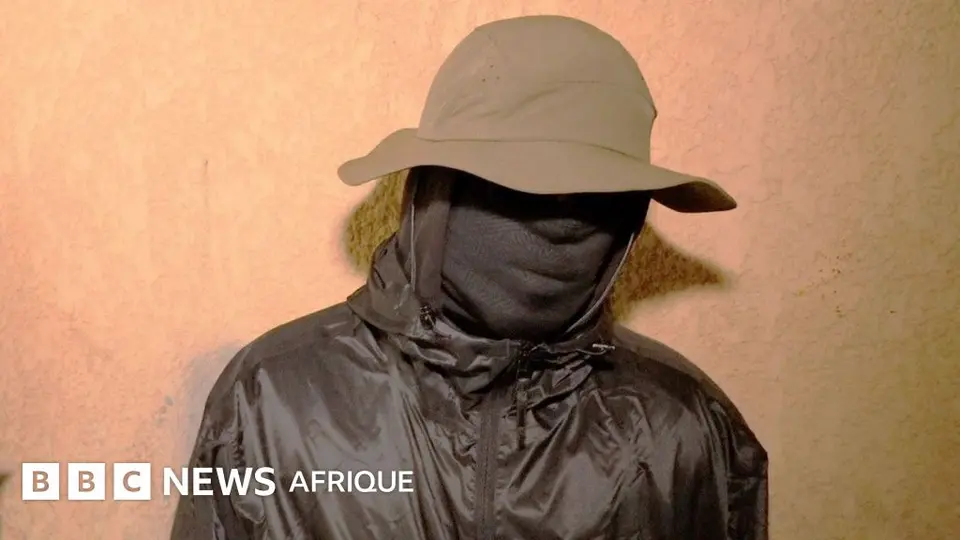
Marseille criminal networks draw adolescents into the trap
According to bbc.com, two 15-year-old teenagers left a distress message with a hashish buyer in a public housing estate in Marseille in 2022. "We are being held captive and need help. We are 15 years old," was written on the paper. The woman alerted the police. The two boys had initially sought illegal work from the gang, but found themselves locked in and exploited: one managed the money, the other watched the streets of the Frais-Vallon neighbourhood.
A few hours after the alert, the two attempted to escape through a second-floor window. One managed to flee; the other was caught, beaten and stabbed, but survived. Regular beatings, sexual abuse and blackmail using videos marked their captivity. Six men have since been convicted of heavy sentences for these abuses.
This story reveals the grip of drug cartels on the disadvantaged neighbourhoods of Marseille, France's second city. After months of investigation, the BBC team penetrated this underground world, discovering how gangs attract vulnerable young people with promises of easy money before trapping them in a universe of trafficking, brutality and exploitation.
The DZ Mafia: Marseille's most powerful gang
The DZ Mafia emerged victorious from a bloody territorial war and became one of the most feared criminal organisations in France. The initials "DZ" take the internet country code for Algeria; one of the founders, Franco-Algerian Mehdi Laribi, was arrested earlier this year under a French arrest warrant and incarcerated.
In 2023, the gang acquired considerable notoriety by becoming the first French criminal group to publish video communiqués on social media, promoting itself as a brand and asserting its power. Last July, six masked men dressed in black broadcast online a video denying the DZ Mafia's involvement in a plot against a neighbouring mayor, who had to be placed under police protection. Dimitri Zoulas, head of the country's anti-drug unit, explains that this group capitalised on its reputation to dominate the market.
Expansion of drug trafficking and mass recruitment of children
The rapid expansion of the French illegal drug market, with a sharp increase in cocaine imports, large volumes of cannabis and synthetic drugs, has fuelled the growth of gangs like the DZ Mafia. The number of cocaine consumers in France is expected to soon reach two million, compared to 600,000 in 2017, according to Zoulas. Drug trafficking in France generates seven billion euros per year and involves 200,000 people.
Children constitute a growing share of this criminal workforce. In 2024, nearly 10,000 minors were implicated in one way or another, according to official figures. To reach more customers and expand its operations, the DZ Mafia now recruits young people throughout France, not only to sell drugs, but also to commit kidnappings, acts of torture and murders. These children are considered by gang leaders as easy to corrupt but also "expendable", controlled generally from prison or abroad.
Gangs use social media to recruit contract killers. Several young men interviewed by the BBC described their gradual entry into the spiral of violence. A gang member, interviewed from his cell and accused of involvement in several murders, explained how his cold-bloodedness had allowed him to climb the ranks within the organisation.
A trap with no way out: the case of Hugo
Few people know the human cost of these gangs better than Karine Brouillard, a mother living in a village in the North, nearly 1,000 km from Marseille. Her son Hugo ran away at 15 years old following a family dispute and was apprehended by police three days later in Marseille, in possession of money and cannabis. Brought home, he seemed to be getting back on track.
But several years later, in 2023, Hugo announced to his parents that he had secured a seasonal job in a restaurant near Marseille. According to his mother's account, Hugo regularly called his parents, but details remain fragmentary. Hugo's story illustrates how promises of employment and money serve as bait for teenagers, even those living far from trafficking hotspots.
Police and judges warn that, once children enter Marseille's underworld, it is extremely difficult to get them out. Authorities are seeing a constant increase in the number of minors involved in criminal networks, caught between promises of quick gain and the reality of systematic exploitation.
Source: Google News FR — Crime (fr)