Marseille: Investigation into Mehdi Kessaci's murder points towards case of mistaken identity
Mehdi Kessaci, 20, is believed to have been killed by mistake in November 2025 in Marseille. Investigators are now targeting the DZ Mafia, a gang linked to drug trafficking.
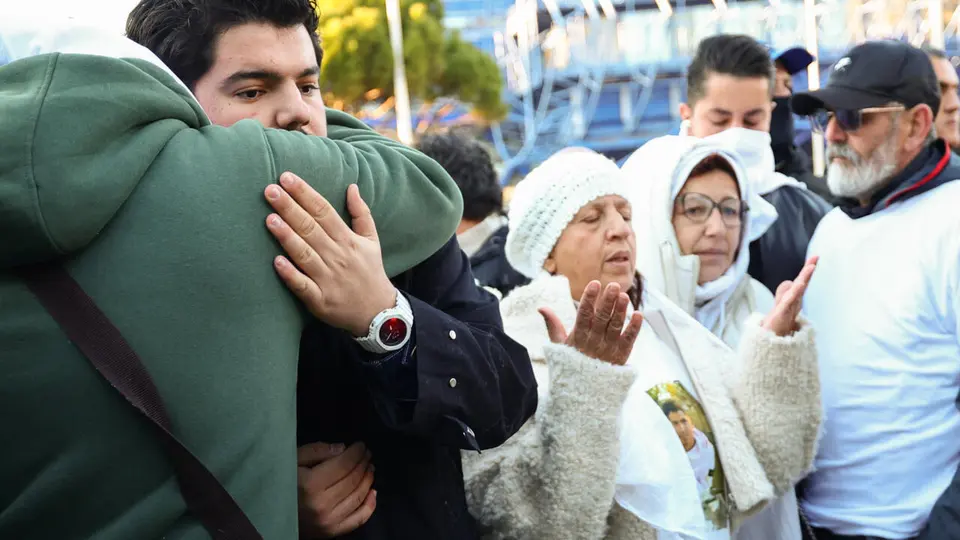
Mistaken identity in the Kessaci case: activist brother was the intended target, according to investigators
It is a "certainty for investigators": it was not Mehdi Kessaci, 20, who was targeted on 13 November 2025 in a Marseille street, but rather his brother Amine Kessaci, an environmental activist committed to fighting drug trafficking. RFI reports this information, confirmed on Wednesday 13 May to Agence France-Presse by a source close to the case, and initially revealed by Le Monde.
A key element is believed to have led investigators to focus on this lead: a telephone number registered in the name of Amine Kessaci, but actually used by his brother Mehdi. This number is believed to have been communicated to those carrying out the shooting by those who commissioned the murder, who therefore believed they were targeting the anti-drug trafficking activist.
Mehdi Kessaci had been shot multiple times in broad daylight in a Marseille street. His death had sent shockwaves through the city: completely unconnected to drug trafficking and unknown to police and judicial authorities, he represented an emblematic collateral victim of Marseille's drug crime. The Minister of the Interior, Laurent Nuñez, had described the crime as an act of intimidation, calling it "a genuine turning point".
Investigators are now turning their attention to the DZ Mafia, a powerful Marseille gang involved in drug trafficking, although those who commissioned the murder have not yet been formally identified. According to sources cited by Le Monde and the AFP, the contract for the assassination could amount to approximately 100,000 euros.
The judicial investigation is still ongoing, entrusted to the brand-new national office for organised crime (Pnaco), created in January 2026. In mid-March, ten people had been placed in custody on suspicion of having taken part in the logistics of the murder.
Source: RFI