Drug trafficking in Rennes: eight shootings in one year, prosecutor demands more resources
Brittany, long spared from serious organised crime, is facing a surge in violence linked to drug trafficking. The Rennes prosecutor is demanding reinforcements.
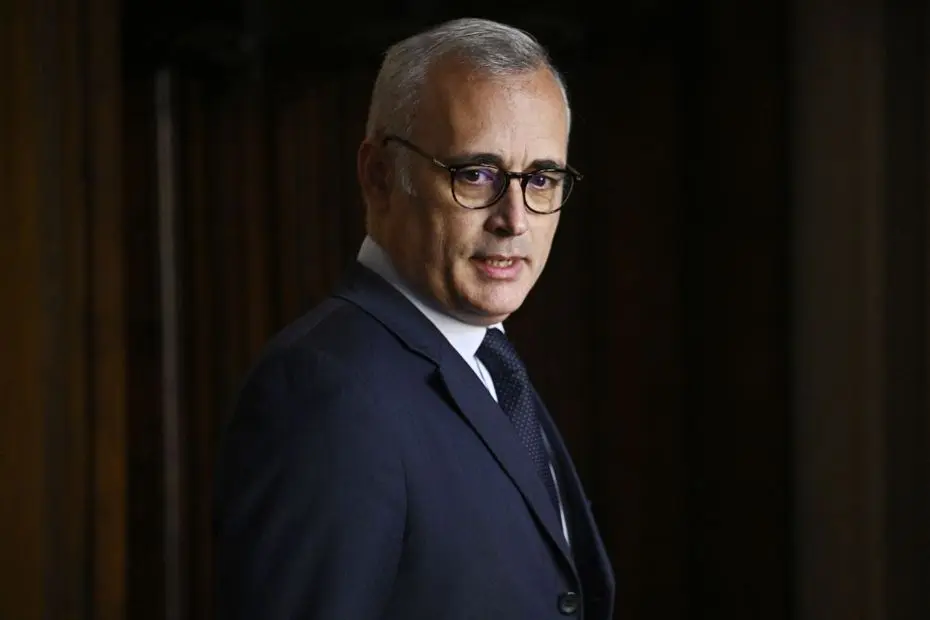
Rennes under pressure from drug trafficking: prosecutor Teillet sounds the alarm
According to france3-regions.franceinfo.fr, Brittany is experiencing a rapid increase in violence linked to drug trafficking, forcing judicial and police authorities to overhaul their approach comprehensively. In Rennes, the Republic's Prosecutor Frédéric Teillet is demanding a clear acceleration in human and material resources.
Eight shootings in twelve months
Rennes has recorded eight shootings over the course of one year. Automatic weapon fire has been reported in several neighbourhoods, leaving casualties and plunging residents into fear. A reality that stands in stark contrast with the image long associated with the region.
"The western region, and notably Rennes, has long been perceived as less affected," Frédéric Teillet recalls. This perception has weighed on state funding: staffing numbers have not progressed at the same rate as elsewhere. This period is now over, according to the prosecutor.
Mobile and violent networks
Drug trafficking has fundamentally changed in nature. The financial stakes have become "colossal", driven notably by the massive arrival of cocaine. To control dealing points, networks are willing to resort to all forms of violence.
The leaders of these organisations often operate far from Rennes, sometimes abroad. On the ground, they rely on a mobile workforce, brought in from other regions — "mercenaries", according to Teillet — with no local ties and no restraint in their use of weapons.
The use of minors and vulnerable individuals is also increasing sharply. Traffickers thus seek to reduce their criminal exposure, even going so far as to force fragile adults to conceal weapons and narcotics. Methods that the prosecutor describes as "customary" and particularly shocking.
Justice in reactive mode
The perpetrators of violence are often identified quickly and remanded in custody. But Teillet acknowledges the limits of this approach: "We are reacting." Arrests can temporarily stabilise a territory, without actually dismantling highly organised and mobile networks.
Staffing levels have certainly been strengthened in recent years: a specialist drugs unit has been expanded and the prosecutor's office has obtained a few additional posts. But for the prosecutor, these adjustments remain insufficient given the scale of the phenomenon.
"Changing gear"
Frédéric Teillet is calling for an overall increase in capacity: more police officers, magistrates and court clerks, both in the prosecutor's office and the bench. "We need judges to try the cases we are investigating," he insists. "Staffing numbers must absolutely continue to increase," the prosecutor stresses, specifying that all links in the chain are concerned.
For Teillet, the assessment is unambiguous: Brittany is no longer insulated from major forms of criminality. Without a response from the state commensurate with the challenge, pressure on neighbourhoods will not ease.
Source: Google News FR — Crime (fr)