Trial of Inass's mother: "I had lost my mind"
Halima El Bakhti has been on trial since 2 November for torture and barbarism resulting in the death of her daughter Inass in 1987. Questioned on Thursday, the accused said she had "lost her mind" at the time of the events.
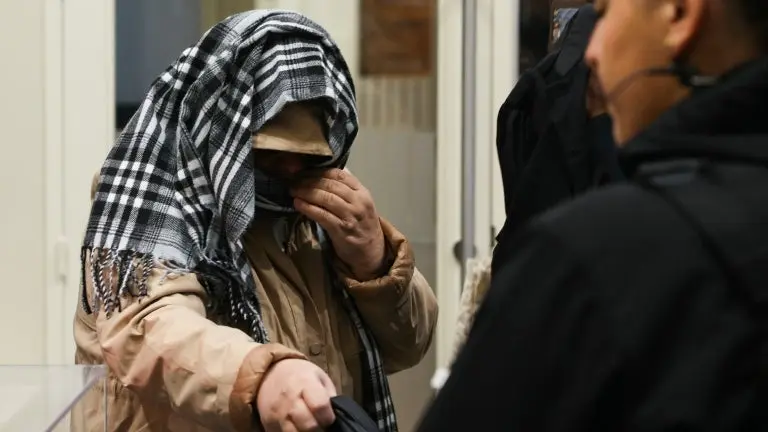
Halima El Bakhti denies committing extreme violence
Halima El Bakhti, 72, is appearing in Blois (Loir-et-Cher) for "acts of torture and barbarism resulting in death without intention of causing it" of her daughter Inass, according to BFM TV. On the eighth day of the trial, the accused was questioned on Thursday 12 November about the circumstances of the death that occurred in 1987. "I was not a human being. I saw the photographs, it is not possible that I did all that. It is as if I had lost my mind, as if I no longer had any sense," the victim's mother declared.
Her ex-husband, 74, is appearing at the same assizes for "complicity" in the same acts. Both face life imprisonment.
Partial admissions and memory gaps
El Bakhti admitted to committing voluntary violence, but only "slaps, nothing else". However, the accused provided no explanation concerning approximately twenty bite marks, numerous fractures, torn nipples or burns documented on the child during the trial. When questioned directly about the burns, she repeated: "I find that all this is a lot." Many questions remained unanswered, with the accused appearing "very confused" at times and claiming not to remember the events.
The context of the "little martyr of the A10"
Inass Touloub was found dead, swollen, on 11 August 1987 on the roadside of the motorway at Suèvres (Loir-et-Cher). Her body could only be identified in 2018 thanks to DNA analysis — more than thirty years after her death — allowing her parents to be arrested. During the interrogation, Halima El Bakhti described this period as "dark" and marked by "a great deal of suffering". "When the little one died, I also died," she added. The accused also stated that she wished to visit her daughter's grave to ask for forgiveness, fearing she would die in prison before doing so.
Psychiatric evaluation of impaired judgment
Psychiatrists discussed on Tuesday the impaired judgment of the accused during the trial. This potential reduction in her mental capacities is included in the file as discussions continue in the Loir-et-Cher court of assizes.
Source: BFM TV