Tax evasion of €206 million in Thessaloniki: Second investigator and economist join inquiry
A second investigator and economist from the Judicial Police are joining the investigation into a tax evasion ring involving €206 million in Thessaloniki with 1,283 accused persons.
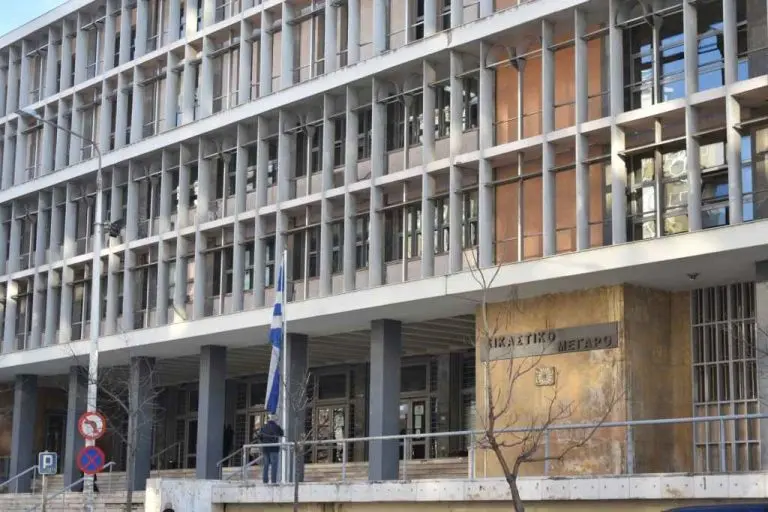
Investigation team strengthened for Thessaloniki tax evasion ring
The investigation into a tax evasion ring involving nightlife venues and food and beverage establishments in Thessaloniki is continuing with an expanded investigative team, according to ERT. The case involves 1,283 accused persons, 917 companies, and debts of €206 million owed to the state and social security funds.
Due to the exceptionally large volume of the case file, it was decided to appoint a second investigator. At the same time, an economist from the Judicial Police with specialisation in accounting investigation will participate in the inquiry to evaluate financial data.
Defence lawyer Antonis Koudroglos stated that the additional support is expected to facilitate the work of the investigator handling the case file. Paraskevas Spyratos pointed out that examining approximately 1,000 accused persons would require almost a year, even with three to four statements per day.
'Straw men' and transfer of debts
According to case file information, businessmen allegedly used, with the assistance of accountants, shell people as administrators or partners of companies. Through this method, debts to the state and social security funds were transferred to individuals without genuine business activity or financial capacity to repay the debts.
Judicial authorities are also examining the possibility of splitting the case file, depending on groups of accused persons or the severity of offences, with the aim of accelerating the investigative procedure.
Six detained of the 16 arrested
Of the 16 arrested, six are in custody following their statements. These include three accountants, one lawyer, one businessman, and one intermediary who allegedly organised a 'pool' of shell people. The remaining ten were released with restrictive conditions, whilst some were also imposed financial guarantees.
Source: ERT