Roman prosecutors dismantle international cocaine trafficking network with Colombian leaders
An investigation by Italian anti-mafia magistrates has led to the arrest of South American traffickers and the seizure of a laboratory in Calabria.
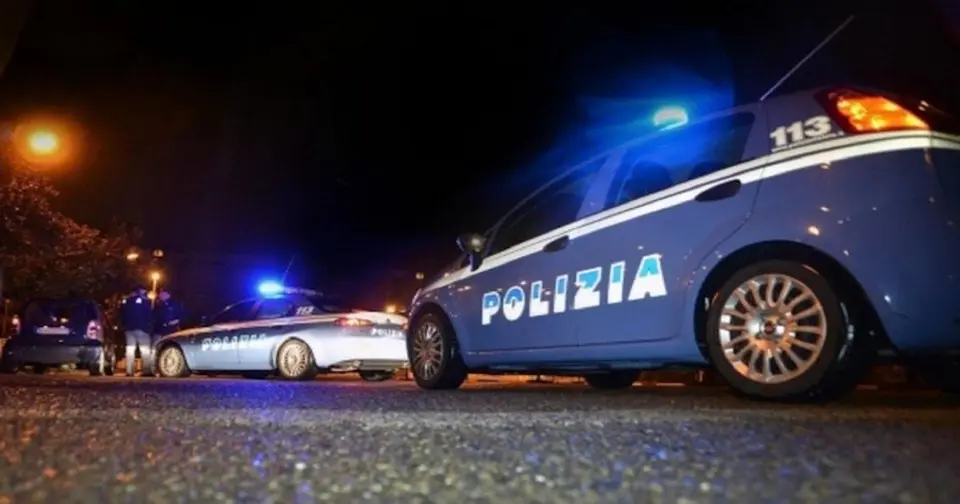
Roman prosecutors dismantle international cocaine trafficking network with Colombian leaders
In February 2026, magistrates from the Rome District Anti-Mafia Directorate concluded an investigation that dismantled a criminal organisation engaged in the illicit trade of narcotics between the two continents. The structure, composed of Latin Americans and Italians, managed to bring substantial shipments of white powder to the Old Continent through sophisticated methods.
According to reporting by Infobae, the names that emerged among the leaders are three individuals born in Colombia: Pavel Guarín Morales, nicknamed "the president"; Ricardo Andrés Asprilla Tovar; and Diana Marcela Guevara Mayor. Alongside them, in the management of the cartel, operated Dominican national Jefferson Luis Núñez Camacho.
The roles within the group were clearly divided. Guarín Morales handled relations with suppliers in South America and on the Iberian peninsula. Asprilla Tovar managed internal logistics and meetings between affiliates. Guevara Mayor controlled finances and secret communications, essential elements for coordination across the various countries involved in the illicit activity.
Núñez Camacho, captured during a raid, was the main architect of routes and border crossings. The method preferred by the gang involved the use of human couriers and the transformation of the substance into liquid to evade airport and customs checks.
The criminal organisation had branches in several European nations. In addition to Italy, where active cells operated in Rome, Milan, Bologna, Naples, Cerveteri and Civitavecchia, the traffickers exploited channels in Spain, Belgium and the Netherlands. An informant who chose to cooperate with justice estimated that annual turnover amounted to approximately 800 kilogrammes of product.
The investigations also uncovered contacts between the Latin Americans and Italian organised crime groups. On one documented occasion, a shipment of ten kilograms was delivered to members of the Camorra; however, the recipients staged a police stop to seize the goods without paying the agreed price.
The decisive breakthrough came with the discovery of a clandestine laboratory in Bianco, in the province of Reggio Calabria. Officers seized more than half a tonne of processing materials, including presses, moulds, microwave ovens and chemical compounds used for packaging.
The investigation is not considered concluded. The authorities are now exploring new leads in Colombian territory to identify potential accomplices and suppliers who fed the chain. The objective remains to precisely quantify the extent of trafficking developed in previous years and to reconstruct the entire supply chain linking South American producers to European markets.
Source: Google News CO — Crime