Lassana Cisse murder trial: emergency calls and graphic testimony heard in court
Jurors in the Lorin Scicluna trial heard distressing emergency calls and medical evidence on day two. Defence raised concerns over a police officer's access to prior testimony.
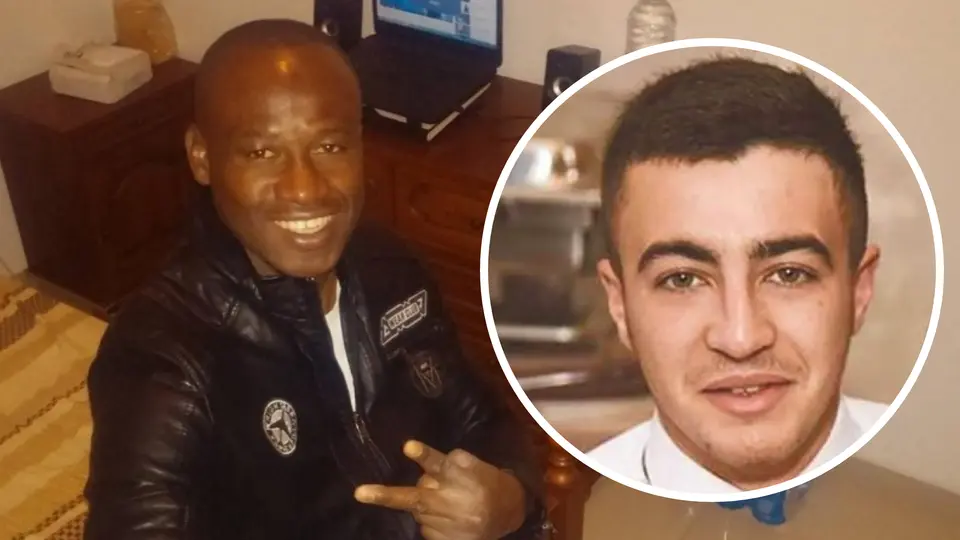
Emergency calls and graphic scene accounts dominate second day of Scicluna murder trial
Distressing recordings of emergency calls made in the immediate aftermath of the fatal shooting of Lassana Cisse featured prominently on Tuesday as the murder trial of former soldier Lorin Scicluna entered its second day, maltatoday.com.mt reports.
Jurors heard calls placed following the shooting on Triq tal-Ġebel on 6 April 2019, which left Cisse dead and two other migrants — Mohammed Jallow and Ibrahim Bah — with serious injuries. In one recording, a distressed caller said, "My friend was shot with a gun," with audible crying in the background. Other callers alerted emergency services to a man lying motionless in the road.
Police officers who arrived at the scene first encountered the two injured men before finding Cisse unresponsive further along the road, blood flowing from his head.
Emergency nurse Brandon Busuttil recalled finding Cisse face down in a pool of blood, music still playing through his headphones. Medical assessment detected no cardiac activity, and Cisse was pronounced dead at the scene.
The court also heard that Jallow had been found holding his private parts after being shot, whilst Bah was discovered further along the road with an injury to his behind.
Gunshot injuries placed victim's life at risk
Emergency specialist David Grima, who was employed at Mater Dei Hospital at the time of the incident, was shown a medical certificate he had issued on 7 April 2019 documenting injuries consistent with a gunshot wound.
The certificate recorded fractures to Jallow's pelvis and hip, as well as damage to his bladder, leaving him unable to urinate. Grima explained that such wounds could lead to sepsis, a potentially life-threatening complication, and confirmed that Jallow's injuries had placed his life in danger.
During cross-examination, defence lawyer Kris Busietta established that Jallow had undergone a CT scan rather than an x-ray. Grima clarified that his assessment related to the risk posed by the injuries themselves, not to any infection that had already developed, and noted that describing a patient as being in danger of losing his life does not mean death is inevitable.
Defence challenges conflicting vehicle descriptions
Busietta also challenged police witnesses over differing descriptions of the vehicle allegedly involved in the shooting. Superintendent Melvin Camilleri confirmed that Jallow had described a black car, whilst Bah had reportedly referred to a white vehicle.
The court heard that CCTV footage from a nearby residence showed a white car travelling at speed along Triq tal-Ġebel at around 10:54pm, though its registration number could not be identified.
Busietta further questioned Camilleri about an earlier alleged incident involving May Malimi, who was reportedly struck by a vehicle near Ħal Far in February 2019. Camilleri confirmed that police first became aware of that incident through a newspaper report in April, rather than through an earlier complaint from Malimi. Camilleri explained that Malimi had told him he lost consciousness and could not recall what had happened.
Judge orders examination of officer's phone
A separate dispute arose when police officer Matthew Tonna was questioned about a screenshot of his previous court testimony found on his mobile phone. Defence lawyer Edward Gatt demanded to know who had supplied the material, but Tonna could not identify the sender.
The defence called for an investigation, whilst the prosecution maintained that Tonna had appeared in court solely to present objective recordings of the emergency calls. Madam Justice Natasha Galea Sciberras ordered court-appointed expert Martin Bajada to examine the phone and determine who had provided the testimony and whether its disclosure had been authorised.
Nine charges, not guilty plea
Scicluna faces nine charges in total, including the murder of Cisse and the attempted murder of three other migrants in what the prosecution alleges were racially motivated attacks carried out in February and April 2019. He is pleading not guilty.
The prosecution is being led by Attorney General lawyers Darlene Grima, Abigail Caruana Vella and Michaela Aquilina. Scicluna is represented by defence lawyers Edward Gatt, Kris Busietta and Alessandro Farrugia. Madam Justice Natasha Galea Sciberras is presiding over the jury.
The trial is set to resume on Wednesday morning, with further witnesses expected to testify.
Source: Times of Malta