Six drug-smuggling speedboats detected in Algarve during storm; one suspect missing at sea
Six vessels linked to drug trafficking were intercepted off the Algarve coast during Storm Charles. A 32-year-old crew member fell into the sea and remains missing.
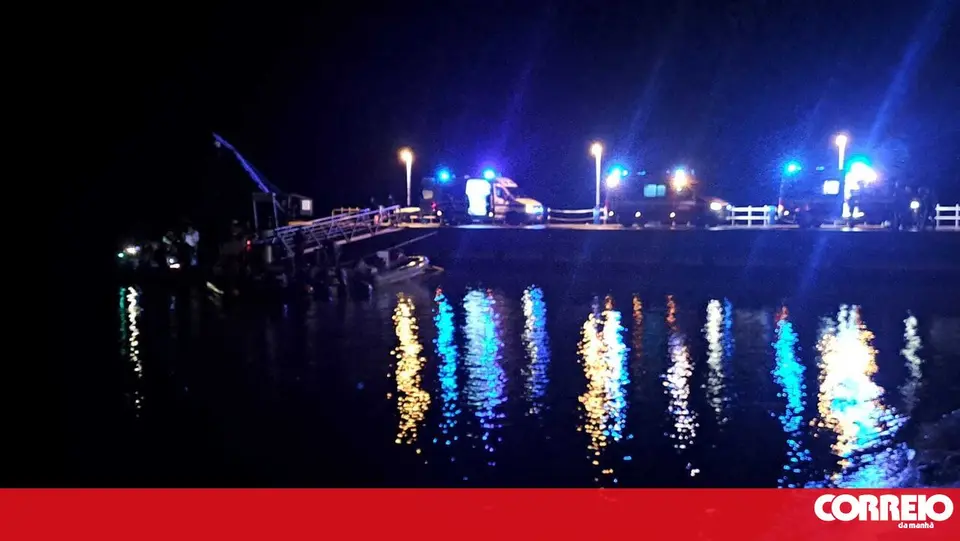
Drug trafficking in Algarve: six fast boats operated during storm, one man missing
Six high-speed speedboats associated with drug trafficking were detected at various points along the Algarve coast on the day Storm Charles placed the region on high alert. One of the vessels struck a breakwater near Cabanas island, in Tavira, leaving a man missing at sea, according to Correio da Manhã.
The first incident was recorded in the Tavira area, where a speedboat was found abandoned and seized by the Maritime Police. Hours later, the GNR's Coastal and Border Control Unit intercepted two high-speed vessels on the Ribeira do Vascão, in Alcoutim municipality, also seizing 56 fuel drums and various electronic equipment. Two men, aged 22 and 55, were named as suspects.
On the same day, two other similar vessels were detected — one in the Sagres area and another in Barrinha, Faro — but the authorities were unable to intercept them.
Late in the evening, the Maritime Police and the GNR identified a sixth speedboat in the Ria Formosa, with four crew members on board. The vessel fled towards the Tavira bar. Moments later, a distress call came in: the speedboat had collided with one of the breakwaters and run aground on Cabanas island. The traffickers themselves contacted the authorities. Three men were injured; a fourth, aged 32, fell into the water and remains missing.
Sérgio Pardal, commander of the port authorities of Tavira and Vila Real de Santo António, acknowledged to Correio da Manhã that meteorological conditions may have influenced the crews' behaviour. "Sea conditions were very poor due to the storm and we believe that the crew members of these vessels decided to shelter in more protected areas until sea conditions became more favourable," Pardal stated.
Source: Correio da Manhã