Three French officers on trial for 2020 beating of Black music producer Michel Zecler
Three French police officers face up to 15 years in jail over the violent assault on music producer Michel Zecler in Paris in 2020. The case has reignited debate over systemic racism in French policing.
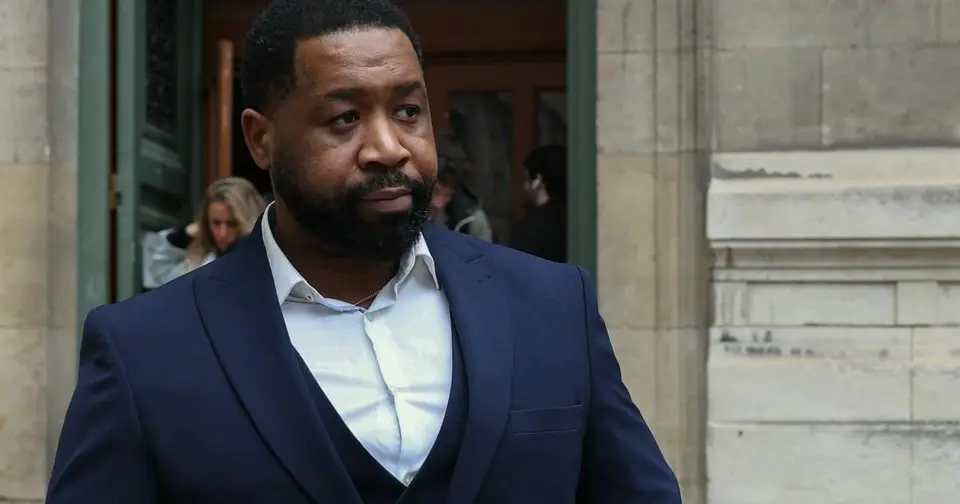
French police officers stand trial over brutal Paris assault caught on camera
Three French police officers appeared in court on Monday charged with the violent beating of Black music producer Michel Zecler, in a rare police brutality case to reach criminal trial, Times of Malta reports.
Officers Aurélien Lapersonne, 29, Pierre Plantier, 37, and Philippe Tondeux, 50, face charges of intentional violence committed as a group, as well as forgery for allegedly falsifying their official incident report. Each faces up to 15 years in prison. The trial is expected to last two weeks.
The assault took place on 21 November 2020, when police stopped Zecler, now 47, outside his Paris recording studio. Officers accused him of failing to wear a mandatory face mask during the Covid pandemic and suspected him of cannabis use. They forced him into the entrance of his studio and subjected him to what investigators described as around 30 punches and truncheon blows over approximately five minutes.
Security cameras inside the studio recorded the entire incident. Medical reports documented craniofacial trauma, a lip and scalp wound, and a complete rupture of Zecler's biceps tendon, leaving him unable to work for 45 days. He now has a titanium anchor in his left arm and says he continues to suffer nightmares.
"If there hadn't been cameras... their reports would have been enough to send me to prison," Zecler told AFP.
The footage, released days after the incident by French media outlet Loopsider, directly contradicted the officers' arrest report, in which they claimed Zecler had struck them and attempted to seize a truncheon.
Zecler arrived at the Palais de Justice in Paris wearing a white shirt and dark blue jacket, accompanied by a large group of supporters, including Audrey Pulvar, deputy mayor of Paris for international relations, and several figures from the French music and entertainment industries. The small courtroom could not accommodate all who attended.
"I expect this trial to hold the police officers accountable," Zecler told AFP ahead of the hearing.
France's ombudswoman stated that officers used "racist insults" during the assault, based on testimony from four witnesses. The accused denied this, and allegations of racism were not included in the formal indictment. Zecler himself told AFP that a racist slur was directed at him during the attack and said he would repeat that account at the hearing.
The lawyers representing the three officers declined to comment before proceedings began.
Rights groups and campaigners have cited the case as evidence of what they describe as systemic racism within the French police — a characterisation that law enforcement unions and authorities contest, attributing incidents to isolated behaviour by individual officers.
The case has gained renewed attention amid recent student-led protests in France, including an incident in which a 14-year-old lost most of his teeth after a police officer allegedly fired a grenade at close range.
Convictions in police brutality cases remain uncommon in France, where the majority of complaints are handled through internal disciplinary procedures rather than criminal courts. In 2024, three officers received suspended sentences after being found to have inflicted irreversible injuries on a Black man, Théo Luhaka, during a stop-and-search in 2017.
A separate case involving the fatal shooting of 17-year-old Nahel Merzouk by a French officer in June 2023 is also proceeding toward trial. Video evidence in that incident similarly contradicted the police account and triggered widespread protests across France.
A report issued last year by France's rights commissioner found that young men "perceived as Arab, Black or from North Africa" are four times more likely to be stopped by police than the rest of the population, and 12 times more likely to be subjected to more intrusive measures such as being frisked — findings drawn from a survey of more than 5,000 people.
"I don't understand the hatred I saw in their eyes," Zecler said.
Source: Times of Malta