Yorgen Fenech acquitted of murder charges: what the verdict means
A nine-person jury cleared Yorgen Fenech of complicity in and conspiracy to murder Daphne Caruana Galizia after a 55-day trial. Lovin Malta explains the implications for Melvin Theuma's pardon and future investigations.
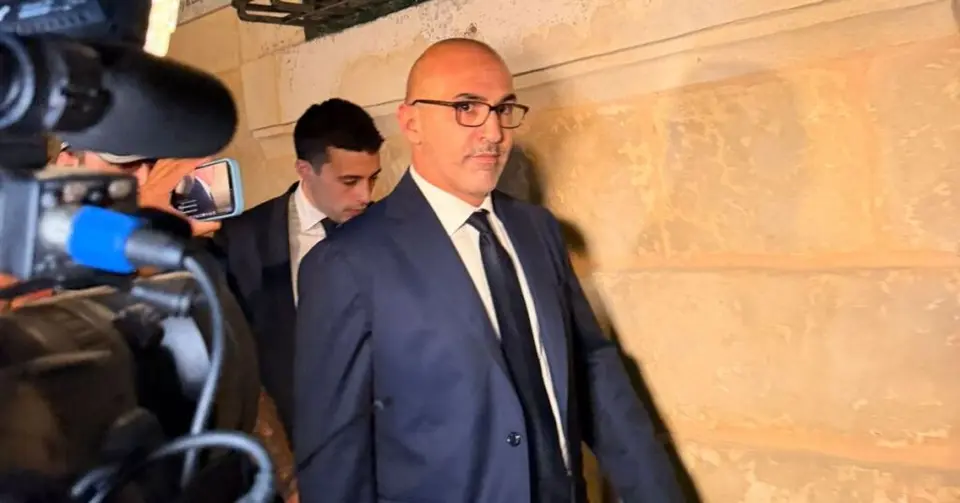
Fenech acquittal: key questions on the pardon, Theuma, and who comes next
A nine-person jury returned a not-guilty verdict on both counts against Yorgen Fenech after a 55-day trial relating to the assassination of journalist Daphne Caruana Galizia, with eight of the nine jurors voting to acquit. As Lovin Malta reports, the verdict leaves a series of unresolved questions about what happens next — to Melvin Theuma's presidential pardon, to allegations directed at other named individuals, and to Fenech's remaining criminal proceedings.
Theuma's pardon is not automatically revoked
Melvin Theuma is the self-confessed middleman in the assassination. He received a presidential pardon in 2019 in exchange for cooperating with investigators and providing information about the murder. Fenech's acquittal does not in itself invalidate that pardon.
The pardon was conditional. During her directions to the jury, Madam Justice Edwina Grima explained that if it were proven Theuma had lied, he would breach its terms and face potential revocation and prosecution. The jury's verdict does not constitute such proof. An acquittal means the prosecution failed to satisfy jurors beyond reasonable doubt of Fenech's guilt; it does not establish that Theuma's testimony was false, nor does it reveal which parts of it jurors accepted or rejected.
For the pardon to be put at risk, there would need to be evidence that a specific part of Theuma's account was knowingly false. Fenech's lawyers had previously filed a criminal complaint accusing Theuma of perjury and had written to the President seeking action over the pardon. The acquittal may prompt renewed calls for that testimony to be scrutinised, but the verdict alone is insufficient to establish that Theuma lied or that the pardon should be withdrawn.
The question of who commissioned the murder remains open
The verdict does not answer the central question surrounding Caruana Galizia's assassination: who commissioned her killing? Eight of nine jurors were not satisfied beyond reasonable doubt that Fenech was guilty. That finding does not establish the guilt of any alternative figure named during the trial by the defence.
Madam Justice Grima ordered that testimony heard during the trial be passed to the Police Commissioner to determine whether it could give rise to criminal proceedings against other individuals. She also ordered that evidence from the trial be placed in two existing magisterial inquiries: one examining alleged leaks by public officials connected to the murder investigation, and another concerning the 16 October 2017 car bomb that killed Caruana Galizia.
The orders do not indicate that the judge accepted the defence's version of events or found another individual responsible. They do, however, leave open the possibility that evidence and allegations which emerged across 55 days of testimony could be investigated further.
Schembri and Cardona named by the defence
Throughout the trial, Fenech's legal team sought to direct attention towards former Office of the Prime Minister chief of staff Keith Schembri, former minister Chris Cardona, and lawyer David Gatt, arguing that evidence pointing to other possible suspects had not been adequately investigated. The defence repeatedly returned to Schembri, encapsulating its argument in the phrase: "All roads lead to Keith."
Speaking to journalists after the verdict, defence lawyer de Marco said Schembri and Cardona "need to be looked into" and that Theuma should have been stripped of his pardon. Schembri denies any role in the murder, and police told the jury he was never treated as a murder suspect. Cardona featured less prominently in the proceedings, though jurors did hear allegations concerning an earlier alleged plot from 2015. In November 2019, the Cabinet was informed that Schembri and Fenech had tried to frame Cardona for the murder; Cardona subsequently wrote to the Speaker describing what he called a frame-up. Whether de Marco was alleging direct involvement or revisiting that earlier thread remains unclear.
The evidential challenge facing any fresh investigation
Police built a substantial body of evidence against Fenech over several years. He was arrested on his yacht, his phones were seized and cloned, there were ten hours of recordings, five men already convicted over the execution or supply of the bomb were called as witnesses, a pardoned middleman testified, and years of material were compiled. A jury still returned a not-guilty verdict.
Any fresh investigation involving Schembri would face a significant evidential challenge from the outset. Jurors heard that Schembri's phone was last traceable shortly after 5am on the morning his home was searched; investigators subsequently were unable to locate it. That gap in the digital record is likely to complicate any attempt to reconstruct a chain of communications or establish contact between Schembri and any of the other parties involved in the assassination.
What other proceedings does Fenech still face
The acquittal in this trial does not close all outstanding matters involving Fenech. He faces separate criminal proceedings unrelated to the Caruana Galizia case, meaning his legal exposure is not entirely resolved by this verdict. The scope of those proceedings was not detailed in full during this trial.
Grima's orders — directing evidence to the Police Commissioner and to existing magisterial inquiries — mean that material gathered during this case will continue to circulate within the Maltese criminal justice system. Whether that material leads to further charges against any individual remains to be seen.
The verdict, as Lovin Malta described it, marks a historic moment in one of Malta's most consequential criminal cases — without closing the underlying questions that have surrounded it since October 2017.
Source: Lovin Malta