Rape myth jury directions must always be given, judges told in updated England and Wales guidance
Updated Crown Court Compendium guidance says rape myth directions "should always be given" to juries. The change follows Russell Brand's rape conviction and sentencing.
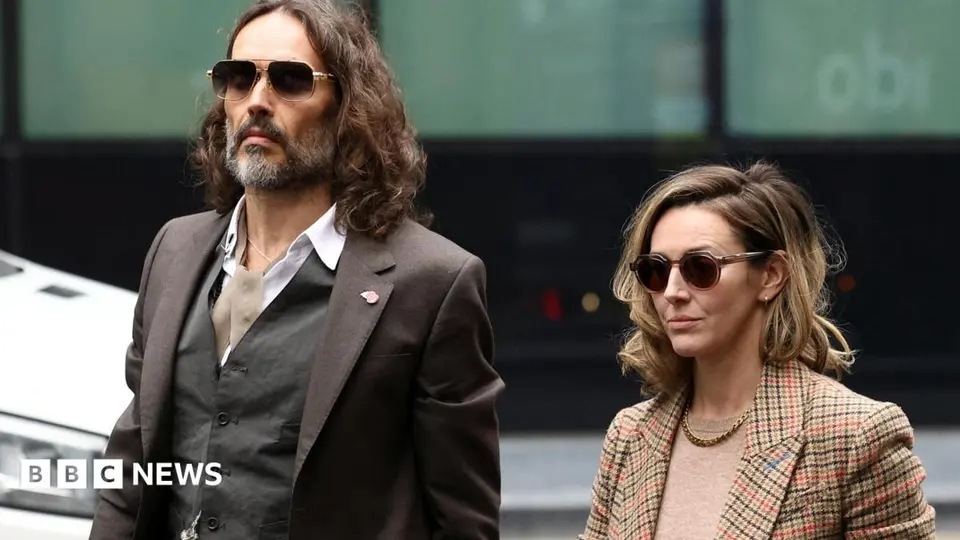
Rape myth jury directions made mandatory in Crown Court guidance after Brand trial
Judges in England and Wales must now always direct juries on common rape myths and stereotypes, according to updated guidance published by the Judicial College, BBC News reports. The Crown Court Compendium was revised on 24 November to state that alerting juries to the "potential error" of such thinking "remain important and necessary and should always be given."
The amendment replaces earlier, permissive wording that had said a judge "may give appropriate directions" — leaving the decision discretionary. Under the new language, that discretion has been removed for rape and serious sexual offence trials.
The update follows the trial of Russell Brand, who was sentenced to ten and a half years in prison at the start of November after being convicted of rape and sexual assault. During his closing speech, Brand's defence barrister, Ian Winter KC, questioned why the complainants had not fought back — a line of argument widely criticised as reinforcing discredited assumptions about how victims respond to assault.
Justice Secretary Alex Norris subsequently wrote to the Bar Standards Board, describing it as "unacceptable" to "perpetuate myths" about victims in court and warning that disciplinary action could follow for barristers who do so.
The updated compendium now provides judges with specific examples of directions they can give. These include instructing juries that "people react differently to the trauma of a serious sexual assault" and that "there is no single, classic response." The guidance also states that a late complaint "does not necessarily mean it is a false complaint."
The revised handbook also clarifies that myth-busting directions may, in some circumstances, benefit defendants — not only complainants — broadening the scope of when such guidance applies.
Siobhan Blake, national lead for rape and serious sexual offences at the Crown Prosecution Service, said on Friday that Brand's case illustrated that victims deal with their ordeals in "wholly different ways." She added that "asking why someone didn't immediately report sexual abuse misunderstands the reality of what it can feel like to experience it," and that "there is no right way to respond to sexual abuse."
National charity Rape Crisis also notes on its website that it is "really common for people who experience rape, sexual assault, sexual abuse or other types of sexual violence to find they can't move or speak," describing this as one of the body's automatic responses to fear.
A 2024 Crown Prosecution Service study of 3,000 UK adults found that myths and stereotypes surrounding rape remained "deeply rooted" across society, despite some progress in public understanding of consent. Only 53% of respondents aged 16 to 24 recognised that it "can still be rape if a victim doesn't resist or fight back," and just 43% acknowledged that victims may not report immediately to police.
Source: BBC News