R.C. Horsch gave FBI tips on child prostitution and drug trafficking, court papers reveal
Newly unsealed documents show the late R.C. Horsch informed federal agents about child prostitution, drug trafficking and fraud after his 2009 arrest. Prosecutors credited his "substantial assistance" in securing a reduced sentence.
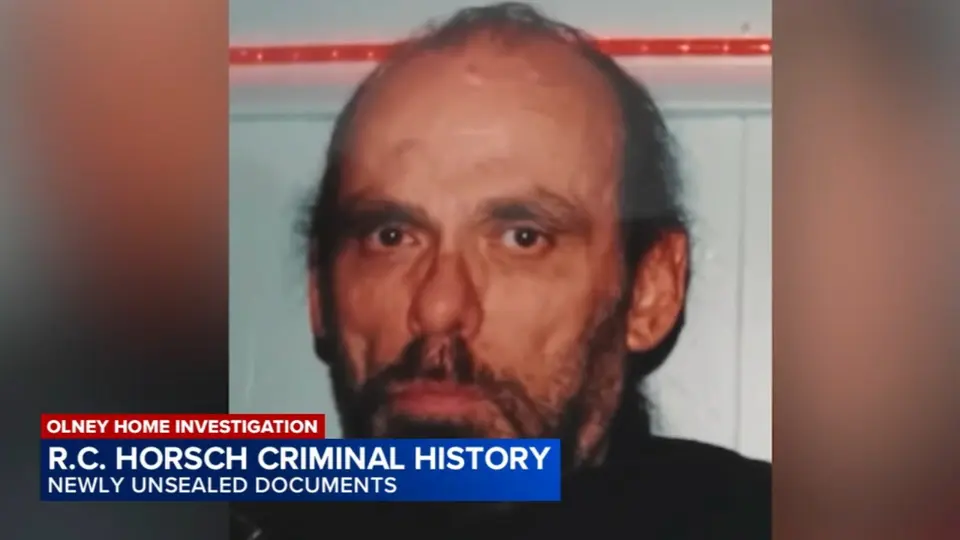
Sealed records reveal Horsch cooperated with federal agents on child prostitution and drugs
Newly unsealed court documents, reported by 6abc.com, show the late Raymond "R.C." Horsch provided federal agents with information about child prostitution, drug trafficking and fraud following his arrest in 2009.
The July 2012 documents, unsealed on Thursday, show Horsch was taken into federal custody after marijuana was found growing in the basement of his then-Chalfont home and two sawed-off shotguns were seized. He subsequently pleaded guilty to possessing more than 100 marijuana plants with intent to distribute, possessing a firearm in furtherance of drug trafficking, and possessing a firearm as a convicted felon.
Prosecutors asked U.S. District Judge R. Barclay Surrick to sentence Horsch to well below the 20-year mandatory minimum he faced, citing his "substantial assistance" to investigators. Judge Surrick granted the request in a 2012 order, finding that Horsch had provided timely information about serious crimes "at some personal risk."
Assistant U.S. Attorney Elizabeth Abrams stated in a filing that Horsch began cooperating shortly after entering federal custody and "debriefed agents fully." Agents found the information truthful, reliable and complete, prosecutors said.
Not all of his tips led to prosecutions, however. Prosecutors said agents were unable to identify the targets of his information about crimes against children because the details were old and because of what they described as "guarded contacts" between Horsch and those individuals. The filing noted that the government had no indication at the time that Horsch himself had been criminally involved in the serious crimes against minors he described.
His information on drug trafficking was regarded as reliable but had grown dated by the time he entered custody, limiting its investigative value. Tips relating to fraud concerned individuals already in federal custody facing pending charges; that information was passed to the relevant prosecutors and considered useful for intelligence purposes.
Prosecutors said they were aware of no specific threats against Horsch, but noted that the crimes he reported are "frequently associated with violence" and that his cooperation had placed him at "some current and future risk of harm or harassment." They recommended a sentence of 108 to 135 months, arguing that his age reduced the need for individual deterrence while still requiring a punishment sufficient to deter others from similar offences.
Horsch died in 2025 at the age of 82. His home in the Olney section of Philadelphia has since become the focus of a months-long investigation into several missing or unidentified women, a case that began following the arrest of his son, Eugene, earlier this year.
Source: Google News MT — Crime (en)