Virginia Man Convicted of Murdering and Dismembering Wife in Manassas Park
Naresh Bhatt, 39, was found guilty on all counts in the 2024 killing of his wife Mamta Kafle Bhatt, whose body was never recovered.
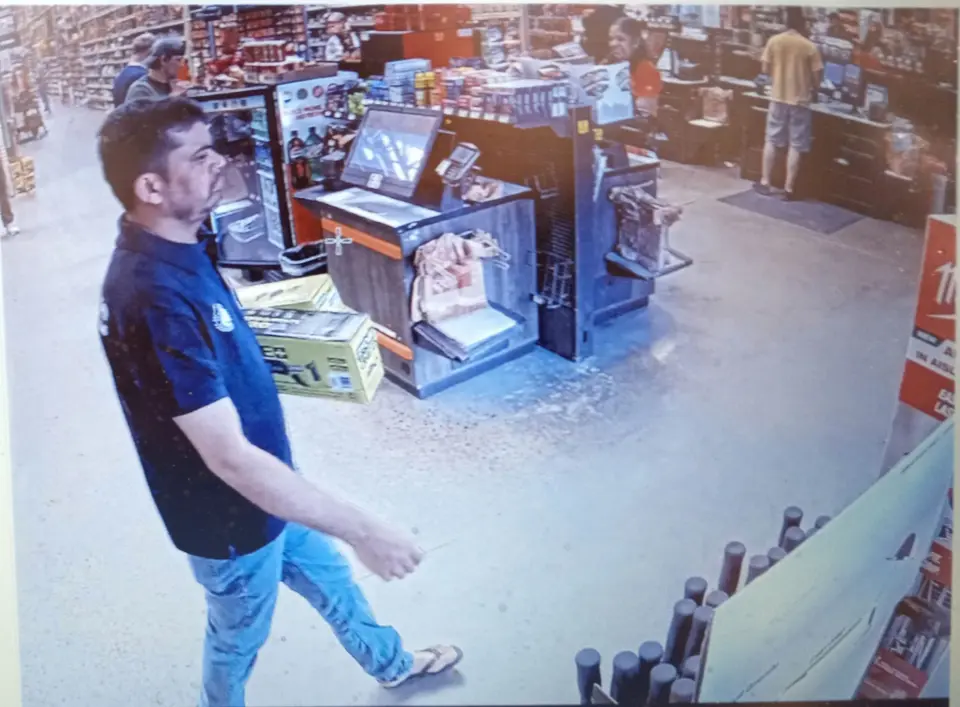
Virginia Jury Convicts Husband Who Claimed Wife Died by Suicide
A jury in Northern Virginia found Naresh Bhatt, 39, of Manassas Park guilty on all counts Tuesday in connection with the murder and dismemberment of his wife, Mamta Kafle Bhatt, 28, according to Courthouse News Service.
The verdict came after five weeks of trial. Bhatt had been charged with murder, as well as defiling and concealing a body — charges that prosecutors pursued despite the fact that Mamta's remains were never found.
Bhatt took the witness stand last week and denied killing his wife. He testified that he discovered her body after she died by suicide, and that, fearing he would be blamed, he panicked and chopped up her body before disposing of it in the trash.
Prosecutors rejected that account as fabricated. "And now, the defendant wants you to believe his story, his made-up crazy story," said Sarah Sami, senior assistant commonwealth's attorney in Prince William County, during closing arguments Tuesday. "All the defendant has done that you've seen from the moment that Mamta went missing, all he did was lie."
Sami pointed to a text message Bhatt sent his wife in February 2024 as evidence of premeditation. "The days are coming that you'll regret a lot," she quoted from the message. "He told Mamta what he was going to do with her." According to prosecutors, Bhatt acted on that threat 162 days later. "The defendant murdered Mamta Kafle," Sami said, referring to the victim by her maiden name. "The defendant dismembered Mamta Kafle. And the defendant got rid of her like garbage."
Mamta Kafle Bhatt was a nurse and the mother of the couple's now 3-year-old daughter. She was 28 years old at the time of her disappearance in 2024.
Defense attorney Tracey Lenox, chief public defender for Prince William County, urged jurors not to let emotion drive their deliberations. She cautioned against taking "the easy thing" — allowing "instincts of compassion and empathy to dictate your discussion and decision-making" in the jury room. Lenox argued that jurors should function not as seekers of truth but as "inquisitors of doubt," focused solely on whether the prosecution had proven each element of the offenses beyond a reasonable doubt.
Lenox also noted a discrepancy in the timeline of Bhatt's disclosures: when police first questioned him after Mamta's disappearance, he said he did not know where she had gone. By his own account, he only told investigators the suicide version of events two weeks after his arrest.
The courtroom drew a substantial audience. Mamta Kafle Bhatt's mother, brother and close friends sat in the front row, most dressed in her favorite color — red. Neighbors, fellow Nepali expatriates, police investigators and nurses from area hospitals also filled the gallery.
The case against Bhatt was largely circumstantial, built without a recovered body. Prosecutors nonetheless secured convictions on every count.
Source: Courthouse News Service