Murder of Agostina Vega in Córdoba reignites protests 11 years after Ni Una Menos
A 14-year-old girl was raped, hanged and dismembered in Córdoba. The crime sparked marches across the country days before the commemoration of Ni Una Menos.
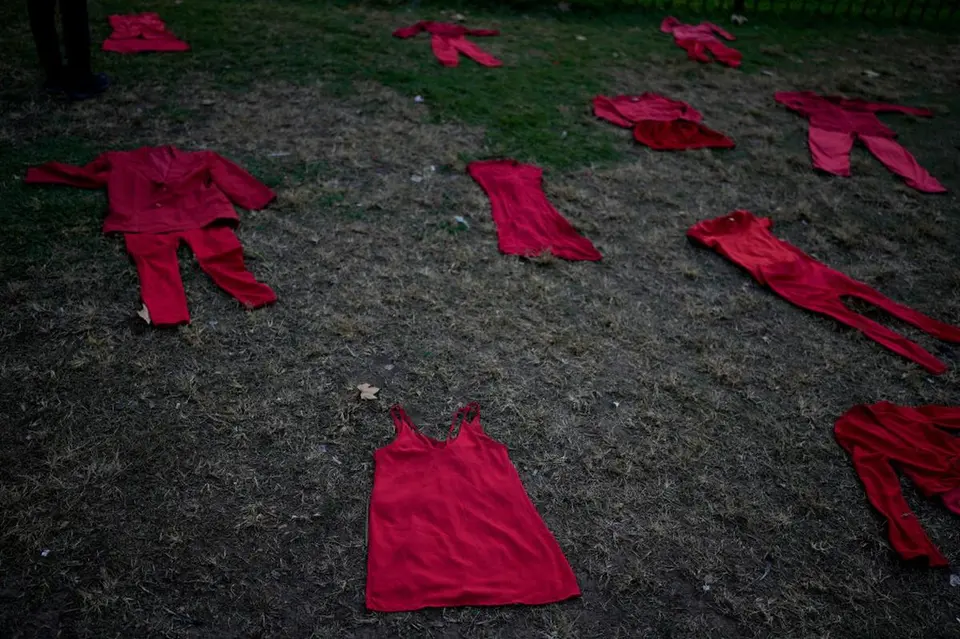
Córdoba: the murder of Agostina Vega shakes Argentina on the anniversary of Ni Una Menos
The body of Agostina Vega, 14, was found on Saturday in a drainage ditch in the city of Córdoba, a week after her disappearance. According to cadena3.com, the preliminary autopsy determined that the young woman was a victim of sexual assault, then hanged, and her body dismembered with a kitchen knife. The main suspect, Claudio Barrelier, was detained; he has a record for kidnapping and had been released on bail.
On the night of 23 May, Agostina had gone to the house of a family friend in search of a gift for her mother. She did not return. Her family filed a missing person report immediately, but the child abduction alert was not issued until 80 hours later, a delay that generated direct questioning of police conduct. After her death became known, protesters burned tyres in the streets of Córdoba and clashes with police continued throughout the vigil.
Eleven years of Ni Una Menos: the movement returns to the streets
Agostina's murder comes exactly eleven years after the murder of Chiara Páez, the 14-year-old girl whose death at the hands of her 16-year-old boyfriend triggered the first mass march in May 2015 under the slogan "Ni Una Menos", a movement that spread throughout Latin America as a symbol of the struggle against gender-based violence. This Wednesday, the annual rally will concentrate in central Buenos Aires; Agostina's family plans to join the protest in Córdoba, where thousands of demonstrators are expected.
Calls for government action intensify this year. Córdoba's Security Minister, Alejandra Monteoliva, rejected the classification of Agostina's murder as femicide, arguing that not all murders should receive that designation. However, civil rights organisations and the victim's family are pushing for precisely that legal characterisation.
Criticism of Milei's government and the femicide debate
Agostina's death amplified criticism of President Javier Milei, who has described the feminist movement as "a ridiculous and unnatural dispute". His administration pushed for the removal of femicide from the criminal code and cut funding to programmes assisting victims of gender-based violence, as part of his cultural austerity agenda.
The Centre for Legal and Social Studies recorded 63 legally classified femicides in the past year in Argentina. However, human rights defenders compiled a list with over 100 names of murdered women, noting that many cases are not classified correctly. Femicide reports fell 12 per cent compared with 2024, equivalent to 200 cases that year, but lawyers for victims warn that this reduction does not reflect less violence but rather a failure in crime classification.
Natalia Gherardi, director of the Latin American Team for Justice and Gender, maintained that ignoring gender-based violence represents a regression of two decades in public policy and institutional recognition of the problem.
Source: Google News AR — Crime