Twelve Years' Imprisonment for IS Terrorist Plans: Vienna Man Sentenced in Graz
A 35-year-old man from Vienna was sentenced to twelve years' imprisonment by the Graz regional court for participation in a terrorist organisation.
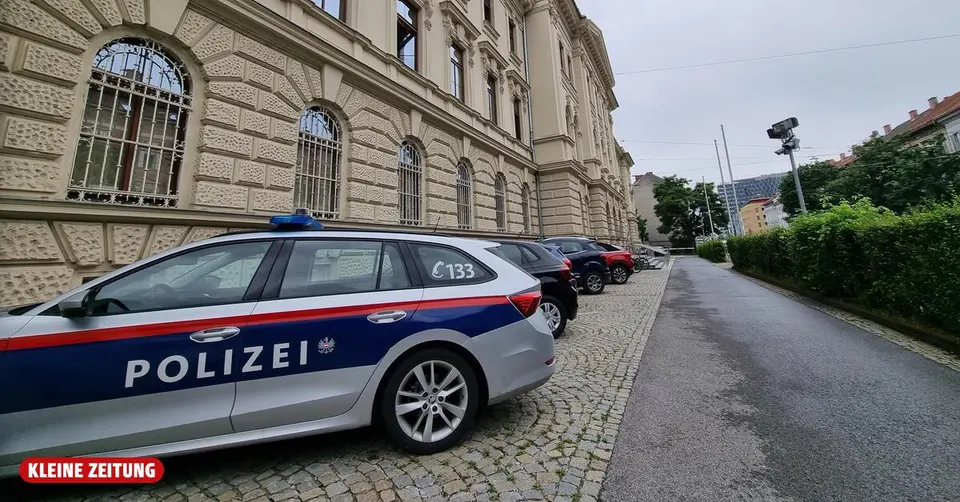
Radicalisation in Karlau: Vienna Man Plans IS Attack in Graz
The Graz regional criminal court has sentenced a 35-year-old Vienna man to twelve years' imprisonment for participation in a terrorist organisation and membership in a criminal organisation. The verdict is not final. According to the Kleine Zeitung, the multiply-convicted father of a family allegedly became radicalised during his detention in Graz's Karlau prison and devised attack plans in the name of the Islamic State.
In court, the defendant presented himself as moderately religious: "I do read the Koran, but I also take drugs." He maintained his innocence and described the allegations from his former cellmate as "completely incomprehensible". The former Catholic stated that after his release he simply wanted to lead a normal life – see his child, find work.
The prosecutor painted a contrary picture to the court. The defendant had supported IS ideology and planned an attack following his release, in which "unbelievers" were to die. He was arrested immediately after his release from prison. The prosecution also pointed to a connection to the Vienna attack: the defendant allegedly attempted to contact a man linked to that attack who has since been deported to Bosnia.
The defence counsel sharply disputed the charges and considered the basis of the accusation too thin: "The accusation rests solely and entirely on the statement of a fellow inmate." It remained unclear how, where and when an attack was supposed to take place. His client had merely converted to Islam but harboured no radical-Islamist ideology.
The crucial incriminating witness – himself convicted of IS membership – stood by his testimony. He described how his former cellmate underwent "brainwashing" in prison and suddenly began speaking of attack plans. The defendant had not been specific, but he had felt obliged to report the information: "If I know about an attack, I have to do that – it could affect my family too." Asked why he had reported his fellow inmate – something rarely occurring in prison life – he replied: "When it comes to an attack, it can affect anyone."
USB sticks packed with IS combat nasheeds also had an incriminating effect. The defendant explained that he had used the stick merely for films and music.
The presiding judge justified the guilty verdict on grounds of the defendant's lack of credibility: "Your statements were not credible in contrast to those of the witness." The twelve-year prison sentence is not yet final.
Source: Kleine Zeitung