Quiroga demands apology from Kast over seizure of Bolivian timber with suspected drugs
Former president Tuto Quiroga called on Chilean president José Antonio Kast to apologise and pay compensation to Bolivian exporters affected by the drug trafficking investigation.
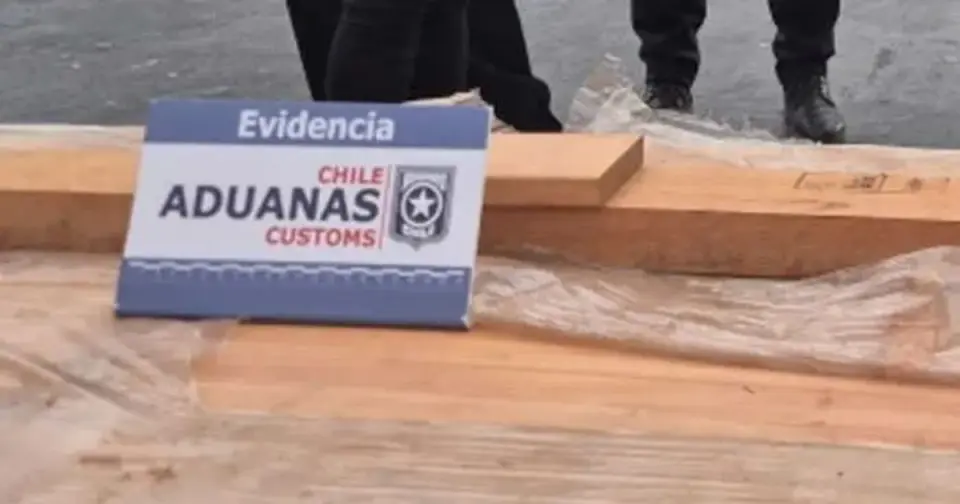
Quiroga pressures Chile following destruction of Bolivian timber shipments
Former Bolivian president Jorge "Tuto" Quiroga demanded on Saturday that the president of Chile, José Antonio Kast, apologise and compensate the damages suffered by Bolivia's timber industry, according to El Deber. The demand comes in the context of a Chilean investigation that attributes the presence of more than 100 tonnes of illicit substances to timber shipments exported from Bolivia.
"President José Antonio Kast: we demand that you stop burning evidence, apologise and pay compensation, something that nobody in Bolivia asked of you," Quiroga posted on social media.
The origin of the controversy
The dispute began on 8 June, when the Chilean Public Prosecutor's Office announced the seizure of 1,080.8 tonnes of timber at the ports of Arica, San Antonio and Valparaíso. Chilean authorities maintained that the shipments contained cocaine, ketamine and other substances linked to drug processing, based on sniffer dog controls, specialised technology and analysis by Chile's Institute of Public Health (ISP). The amount of drug impregnation would have equalled, according to their calculations, more than 100 tonnes.
Bolivian exporting companies questioned both the procedures and the representativeness of the analysed samples, and called for the possibility of conducting independent expert assessments to verify the findings. The Bolivian Government stated in July that the preliminary results available up to that point did not support the figure of 108 tonnes initially announced by the Public Prosecutor's Office, and asked for official reports to be awaited. The Chilean Public Prosecutor's Office maintained its position.
Destruction of evidence and judicial measures
The conflict worsened when Chilean authorities proceeded to incinerate the detained timber in Arica. In October, the destruction of 1,265 tonnes from 48 containers linked to 23 Bolivian companies concluded, according to reports from Chilean media. The authorities indicated that they had retained counter-samples for any further analysis.
On 20 October, the Guarantee Court in Arica ordered a suspension for 60 days of the destruction of the shipments remaining in San Antonio and Valparaíso. The measure seeks to preserve the available material whilst the possibility of conducting new expert assessments is evaluated and the defence teams are permitted access to the investigation documents.
The legal representatives of the companies state that the incineration of the merchandise hinders the exercise of their defence and the possibility of comparing the results of the analyses. The Chilean Public Prosecutor's Office, meanwhile, has defended the legality of its procedures.
Commercial and diplomatic impact
Quiroga joined complaints from Bolivia's forestry sector and European actors who question the impact of the investigation on the country's exporters. The case places at the centre of the debate the need to clarify the results of the analyses and determine any eventual liabilities for the economic and commercial damage caused.
The dispute additionally represents a challenge to commercial relations between Bolivia and Chile: accusations of drug trafficking damage the reputation of exporting companies and the trust of international buyers in Bolivian timber.
Source: El Deber