Drugs trafficker sentenced travelled to Ukraine war and returned to Rio to work for TCP bosses
Luiz André dos Santos Souza, known as "Predador", was arrested by Polinter after fighting in Ukraine for five months, despite a drugs-trafficking conviction since 2024.
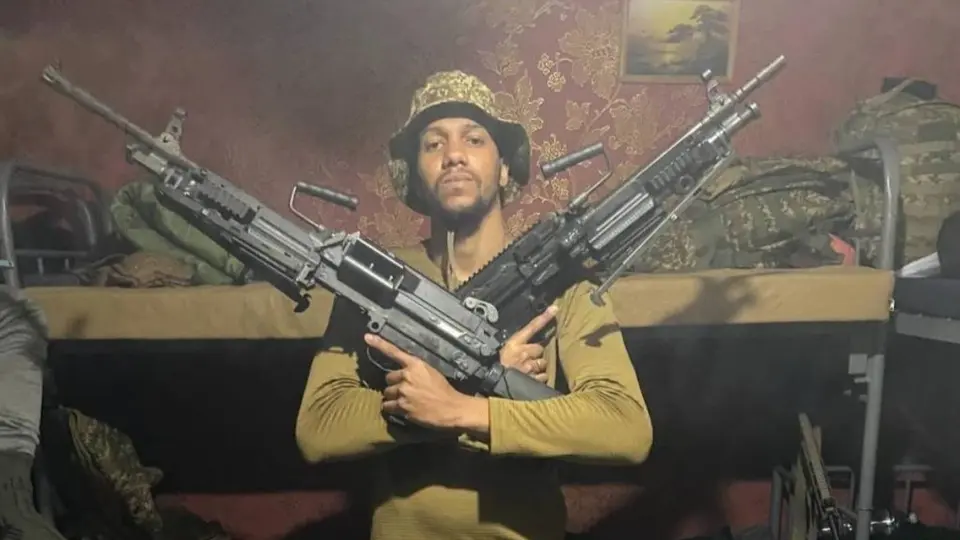
Drugs trafficker "Predador" fought in Ukraine for five months and was arrested on Avenida Brasil
According to g1.globo.com reporting, Luiz André dos Santos Souza, 26 years old, known as "Predador", was arrested this week by Polinter agents on Avenida Brasil in Rio de Janeiro — months after fighting in the Ukraine war, despite carrying a drugs-trafficking conviction in Brazil.
In October 2024, Luiz André was sentenced to 9 years and 4 months imprisonment, along with three others, for trafficking in the São Jorge community in Japeri, in the Baixada Fluminense region. However, he had been responding to the case at liberty since January 2020, when he was released after more than a year in detention.
In February 2026, the case reached the second instance of the Rio de Janeiro Court of Justice. The reporting judge Luciano Silva Barreto determined, on 25 February, that any arrest warrant could only be issued after the case was concluded. That same month, on an unspecified date according to the Civil Police, Luiz André left the country for Ukraine.
He spent five months in the European country, joining a combat team made up of foreign volunteers. In a social media post, he photographed the rifle he used in confrontations and, with a pen, wrote on the weapon: "Tropa do Abençoado", "Complexo da Maré" and his own nickname, "Predador". The location tagged in the photo was "UCr".
The arrest warrant was only issued on 29 October — eight months after the February decision, when Luiz André had already returned to Rio.
R$ 12,000 per month on the front
According to Civil Police investigations, "Predador" received the equivalent of R$ 12,000 monthly to fight in Ukraine against Russia. The force did not clarify who recruited him or who made the payments during the period he was in the conflict.
After returning to Brazil, Luiz André began working for the group responsible for the security of drugs traffickers in Vila dos Pinheiros, a community in the Complexo da Maré dominated by Terceiro Comando Puro (TCP). The arrest occurred following intelligence work and monitoring to locate the subject of the investigation.
What the law says about travelling during criminal proceedings
Criminal defence lawyer Nagila Melo explained to g1 that "responding to a criminal case at liberty does not, in itself, prohibit the person from leaving the country". The restriction on leaving national territory depends on a specific judicial decision, generally made when the judge assesses flight risk and orders the surrender of the passport.
"It is important to note that, even without this specific prohibition, whoever responds to a case at liberty has obligations. They must remain available to the court and attend court proceedings whenever summoned," said Nagila.
The lawyer added that, even in the absence of a precautionary measure, "it would be advisable, in good faith and procedural loyalty, to notify the travel to the lawyer, so they could inform the court and update the defendant's address on the case file. This avoids the absence being interpreted as flight and the judge applying sanctions or even issuing an arrest warrant".
Source: Google News BR — Crime