45 social leaders killed in first 100 days of De la Espriella government
Indepaz recorded 45 social leaders killed, 26 massacres and 87 fatal victims in the first 100 days of the Colombian government.
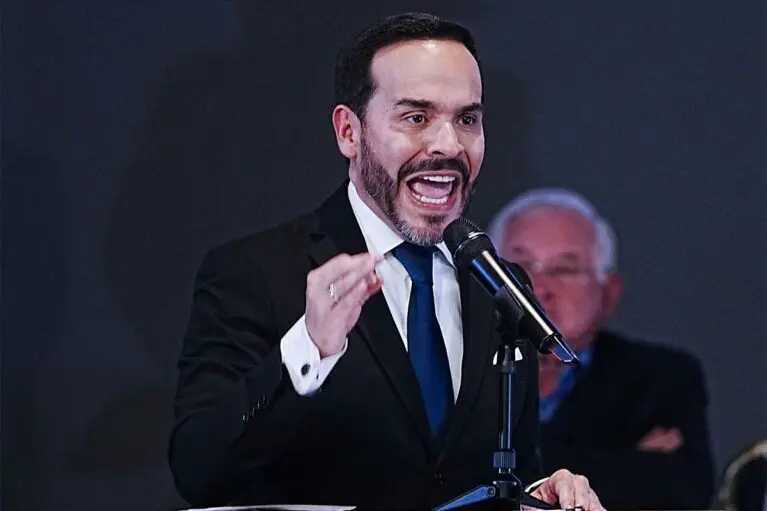
Indepaz reports 45 social leaders killed in first 100 days of De la Espriella government
According to resumenlatinoamericano.org, during the first 100 days of Colombian president Abelardo de la Espriella's government, 45 murders of social leaders and human rights defenders were recorded, along with eight homicides of peace agreement signatories and 26 massacres. The assessment was drawn up by the Institute for Studies on Development and Peace (Indepaz).
The analysed period spans from 7 August to 15 November 2026, according to the NGO's Human Rights and Conflict Observatory. The 26 massacres recorded resulted in 87 fatal victims, among them five minors, and 6,667 people displaced during August and September.
"The first 100 days of Abelardo de la Espriella's government present a worrying picture regarding human rights and armed conflict," Indepaz stated in its report titled 100 days: the human cost of violence. The organisation highlighted that "the murders of social leaders and peace signatories, the massacres, forced displacements and impacts on communities demonstrate that violence continues to have serious consequences for the civilian population, especially in territories historically affected by the conflict".
Violence against social leaders concentrated mainly in the department of Cauca, in the south-west of the country, with eleven cases, and in Antioquia, in the north-west, with eight. Putumayo, in the south, recorded four murders. All eight peace agreement signatories who were killed were men.
Indepaz also expressed its concern about "the persistence of armed confrontations, the use of drones with explosives and the risks associated with military operations, especially when children and adolescents recruited by armed groups may be present". The organisation also noted that allegations of alleged extrajudicial executions "must be investigated promptly, rigorously and independently".
The NGO clarified that these crimes cannot be automatically attributed to the decisions of the current government, given that they also respond to territorial dynamics and earlier conflicts. Nevertheless, it emphasised that the State has the responsibility to protect the population and guarantee human rights.
Indepaz maintained that "dialogue and the pursuit of a negotiated settlement to the armed conflict are the best path to end violence and prevent further loss of human lives". "Military response alone will not resolve the root causes of violence nor guarantee lasting peace," the organisation concluded.
Source: Google News CO — Crime