JEP charges sexual violence as systematic crime in Colombia: 1,500 victims heard
The JEP classified sexual violence in the Colombian conflict as war crimes and crimes against humanity, not as collateral damage. Former members of the FARC, the Army and the Police were charged.
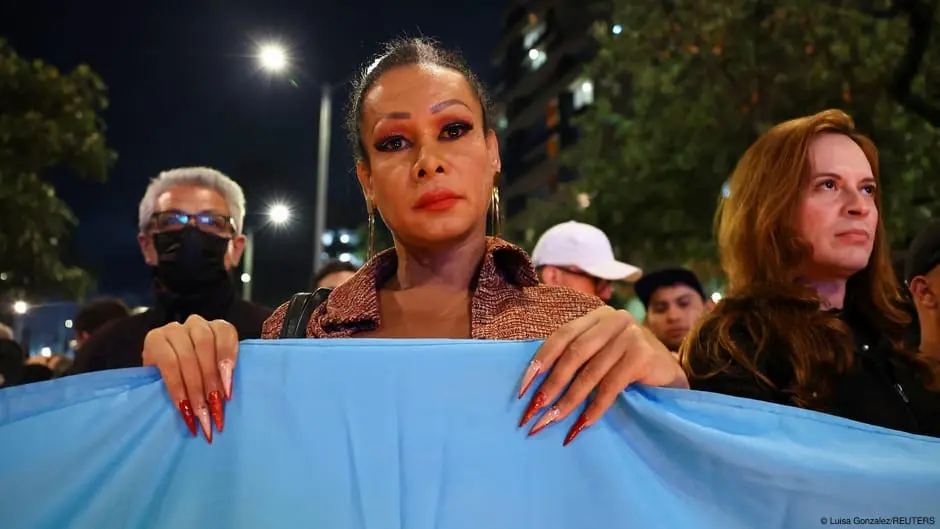
JEP recognises systematic patterns of sexual violence in Colombian armed conflict
The Special Jurisdiction for Peace (JEP) issued two orders within less than a month in which it classifies sexual and gender-based violence committed during the Colombian armed conflict as war crimes and crimes against humanity, rejecting their treatment as "collateral damage". According to dw.com, the charges correspond to Macrocase 11 and target eleven former FARC members, sixteen former Army members and two former Police members.
"For the victims, it is a recognition they have waited for decades," Wilson Castañeda, director of Caribe Afirmativo and UN consultant on diversity and peace issues, said to DW. Castañeda stressed that these orders "name sexual and gender-based violence for what it was: war crimes and crimes against humanity committed systematically, and not isolated incidents".
Two criminal patterns identified
In the case of former FARC-EP members, the JEP identified two differentiated patterns. The first comprises crimes "for being a woman": sexual violence, threats and displacement against women and girls—mostly peasants—in everyday contexts, as well as sexual slavery and reproductive violence. The second pattern encompasses crimes based on sexual orientation and gender identity: displacement, humiliation, forced labour and murders directed at LGBTIQ+ persons.
With regard to former Public Force members, partly allied with paramilitary groups, the JEP noted that "stigmatisation and lack of protection of victims combined with discriminatory conceptions and unequal power relations, favouring sexual and gender-based violence as forms of domination, humiliation, punishment and intimidation".
The failure of ordinary justice
The JEP, whose jurisdiction covers crimes committed up to 1 December 2016, highlighted the historical shortfall in judicial response to these conduct. In ordinary justice, 2,222 proceedings related to sexual and gender violence attributed to FARC-EP were recorded, of which 91 per cent did not go to trial and 78 per cent did not get past the initial investigation stages.
Castañeda outlined three reasons that explain this prolonged impunity. The first is the high level of underreporting of the facts: "Sexual violence, gender-based violence and prejudice-motivated violence are among the most difficult to document: there is fear, shame and stigma, and in the case of LGBTIQ+ persons their sexual orientation or gender identity was almost always made invisible, both in ordinary justice investigations and by their own families".
The second reason is the limited time available to the courts to investigate. The JEP has a fixed duration of ten years, until 2028, which restricts the capacity to reconstruct the facts. The third reason relates to previous decisions by the tribunal itself: in prior orders, these violence cases were described but not independently charged, or were attributed solely through omission. "Reaching an imputation of this magnitude was an enormous challenge," Castañeda affirmed.
Nearly 1,500 victims heard
To construct the two collective charges of Macrocase 11, opened in 2023, different chambers of the JEP heard nearly 1,500 victims: women, trans women, men, trans men, children and girls who until now remained invisible in the judicial records.
The work of civil society organisations and the institution itself was key to reconstructing the facts and recovering confidence in the jurisdiction.
European support and international dimension
A spokesperson for the European Commission said to DW that "the EU has been supporting Colombia's peace for 25 years, including the Peace Agreement, through successive Colombian governments", and assured that "support will continue", although without specifying in what form or whether that backing would specifically reach mechanisms such as the JEP once it concludes its mandate.
The Colombian process has international weight. Sexual violence, sexual slavery and mass rape are recognised by the UN as crimes against humanity, employed by armies, gangs and paramilitary groups as a weapon of war to break communities and displace populations.
Before Colombia, sexual crimes committed during the Rwandan genocide in 1994 were tried in France and Belgium. In Germany and Sweden, crimes against humanity perpetrated in Syria in 2022 were prosecuted. The most direct reference point for the Colombian process, however, is the Sepur Zarco case in Guatemala, which brought before justice events occurring between 1982 and 1988 during the Guatemalan civil war. It was the first case in which a national court tried sexual slavery as a crime against humanity, and left lessons on how to receive the testimony of victims whilst protecting their dignity and how to use it as sufficient evidence together with context and expert reports.
Source: Google News BO — La Paz