Police sue former DAS director for 564 million pesos paid to Jaime Garzón's family
The General Directorate of the National Police filed a recovery lawsuit against José Miguel Narváez, convicted in 2018 for the homicide of journalist Jaime Garzón.
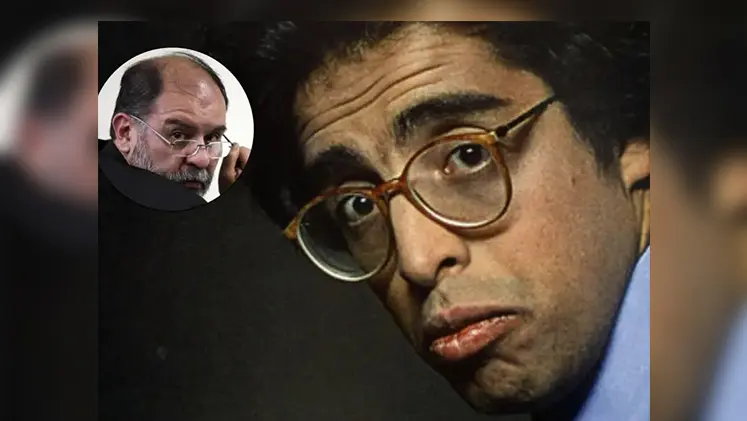
Recovery lawsuit against Narváez for the murder of Jaime Garzón
The General Directorate of the National Police filed a recovery lawsuit against José Miguel Narváez, former DAS director convicted in 2018 to 30 years in prison as an accomplice in the homicide of journalist and comedian Jaime Garzón. According to reporting by laopinion.co, the entity is seeking to hold Narváez economically responsible for the 564 million pesos that the State paid to the journalist's siblings as compensation.
The payment was ordered in 2025 by the Ministry of Defence to María Soledad and Manuel Alfredo Garzón, siblings of the journalist, in compliance with a Colombian Council of State decision from September 2016. In that ruling, the Nation was declared responsible for Garzón's death and ordered to compensate his family members; among the entities implicated were the Police and the National Army.
The Police's legal argument
The Police argue that the resources should not be borne solely by the State, given that the criminal conviction against Narváez established that his actions played a decisive role in planning the crime. According to the lawsuit, the then-official allegedly delivered information to paramilitary leader Carlos Castaño Gil that linked Garzón to guerrilla groups and insisted that Castaño order the homicide.
"Mr José Miguel Narváez Martínez is under a legal obligation to reimburse the entirety of the assets that the National Police paid for the damages and losses caused by his conduct, by the death of Mr Jaime Hernando Garzón Forero," states the text of the lawsuit, revealed by the media outlet Cambio.
Evidence from the criminal trial
During the criminal investigation, the Public Prosecutor's Office compiled testimony and documents seeking to demonstrate Narváez's participation in the homicide. The evidence indicates that the former subdirector of Intelligence at the DAS and the former head of Intelligence at Army Brigade 13, General Jorge Eliécer Plazas Acevedo, conducted surveillance on the journalist and transferred the information gathered to Carlos Castaño, to whom they suggested ordering the crime.
According to testimony incorporated into the case file, Garzón's work as a mediator in kidnapping cases attributed to the FARC and his efforts to bring about a de-escalation of the conflict led both state agents to identify him as someone close to the guerrilla. On the basis of that characterisation, they allegedly urged Castaño to attempt his life.
Testimony from former paramilitaries
Among those who testified in the trial is Jorge Iván Laverde, alias 'El Iguano', a former member of the United Self-Defence Forces of Colombia (AUC), who in a statement before the Justice and Peace Prosecutor's Office identified Narváez as linked to the murder. Also on record are statements from former paramilitary commanders Salvatore Mancuso and Freddy Rendón Herrera, alias 'El Alemán', who indicated that Narváez maintained relationships with paramilitary structures and allegedly participated in training activities within their camps.
According to the lawyers of the Garzón family, at the time of the crime Narváez was serving as an adviser to the Armed Forces.
Previous convictions and case background
The murder of Jaime Garzón occurred on 13 August 1999 in Bogotá, when the renowned journalist and comedian was travelling to his workplace. The crime was carried out by members of the gang known as "La Terraza", by order of Carlos Castaño Gil, the top leader of the AUC.
Castaño was convicted in March 2004 to 38 years in prison for this act. The sentence against Narváez came in 2018: 30 years imprisonment for his role as an accomplice in the homicide. Narváez was also prosecuted for the murder of Patriotic Union senator Manuel Cepeda Vargas, which occurred in 1994.
With this new legal action, the Police intend for the responsibility established in the criminal trial to also result in economic consequences, so that Narváez assumes part of the resources that the State allocated to compensate the journalist's family members more than two decades after his death.
Source: Google News CO — Crime