Supreme Court quashes DNA order in drugs case
The Supreme Court has quashed a decision that ordered a defendant in a drugs case to provide genetic material, ruling that the lower court's judgment was inadequate.
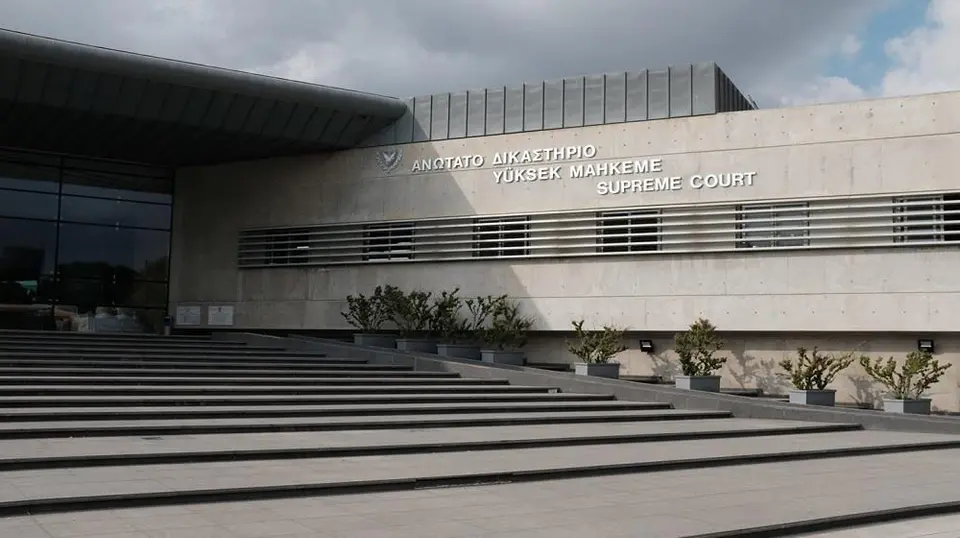
Supreme Court quashes DNA order in drugs case
The Supreme Court of Cyprus overturned a lower court decision yesterday that had ordered a person involved in a serious drug trafficking case to provide a saliva sample for genetic material and fingerprint analysis.
The investigation began during February and March, when officers from the Drugs Combating Unit discovered a significant quantity of illegal substances in the capital. In this context, one person was arrested who refused to cooperate in the collection of biological material. As a result, in early March 2026, the primary court issued an order compelling him to undergo the procedure.
The person concerned, through his legal representatives Nikos Zenios and Michalis Kazakos, appealed the decision before the Supreme Court. He argued that the primary court decision was issued in breach of procedural rules, as the required legal assessment was not conducted before its issuance.
Judge E. Ephraim, in her judgment, stressed that every judicial officer examining a request for the issuance of an order must personally establish that there are sufficient grounds for granting it. The mere submission of a police officer's sworn statement does not constitute an adequate basis in itself. The judge must conduct an independent legal assessment and justify why the issuance of the specific order is deemed necessary.
In this case, the primary court limited itself to reading the written statement of the prosecution authorities. There was no oral presentation of supplementary evidence or requests for clarification from the Police before the decision was made. The Supreme Court established that the primary court decision contained no justification demonstrating that the judge had himself assessed the necessity of the order. It was merely recorded that the sworn statement was read, without establishing the judicial reasoning that led to its issuance.
On the basis of the above, the Supreme Court ruled that the impugned decision lacked legal foundation and quashed it.
Source: Philenews