Swedish pensioner sentenced to over three years in prison for online fraud in Mannheim
Mannheim Regional Court sentenced a 61-year-old Swedish woman to three years and four months imprisonment for aiding and abetting organised online fraud. The damage in Germany amounts to at least 1.2 million euros.
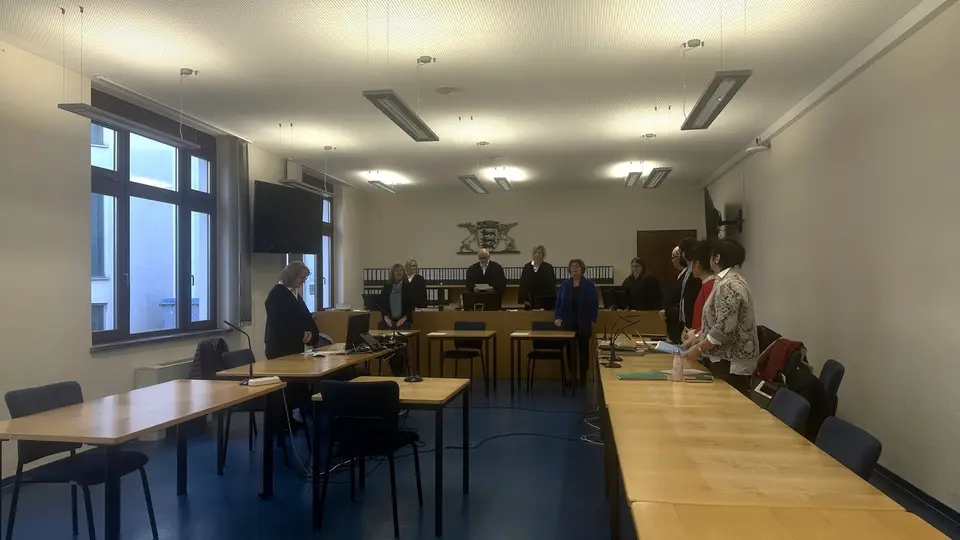
Mannheim court sentences 61-year-old for aiding online trading fraud
Mannheim Regional Court sentenced a 61-year-old woman from Sweden to three years and four months imprisonment on Friday. According to swr.de, the judges found her guilty of aiding and abetting organised online fraud — a case of organised cybercrime in which at least 1.2 million euros in damage was caused in Germany alone.
The defendant made a confession at the beginning of the main hearing. The judges took this into account as a mitigating factor; the prosecution had previously demanded four and a half years imprisonment. Both parties have one week to appeal the verdict. The woman appeared calm and composed during the verdict announcement.
From victim to accomplice
Initially, the 61-year-old had herself become a victim of the fraud scheme. Injured parties transferred money for supposed financial products; the promised profits were never paid out. A gang member from Israel subsequently persuaded the woman to actively participate in the frauds.
According to the court, she significantly supported the group in setting up company structures and bank accounts. Between 2021 and 2023, she acted as formal managing director, opened company accounts and passed the access data to the gang — although she knew of the fraudulent use.
Professionally staged sham trading
The criminal association is said to have come together by 2018 at the latest to conduct fraudulent online trading operations. Through professionally designed websites and advertising on social media, supposed financial products — including stocks, funds and cryptocurrencies — were offered.
Interested parties who registered were contacted by purported financial advisers and persuaded to make payments under the promise of high returns. However, the money paid in was never invested but appropriated by the perpetrators from the outset. To deceive the victims, the fraudsters simulated fictitious trading and displayed alleged profits on user accounts. Payments were never made.
Company accounts were set up domestically and abroad for payment transactions, which were intended to simulate legitimate business operations and obscure the actual flow of money.
Nearly 30 victims from across Germany
Nearly 30 people from various regions of Germany transferred their money to nine bank accounts used for the fraud — accounts that the defendant had helped set up. The affected parties come from the Rhein-Neckar district, Constance, Tübingen, Karlsruhe district and from Bavaria, Hesse, Lower Saxony, North Rhine-Westphalia, Thuringia and Schleswig-Holstein.
The case was heard before Mannheim's Economic Criminal Chamber because people from Mannheim were also among the victims.
Source: Google News AT — Crime (de)