Frenchman stole and burned bones of Saint Nicholas from church in France
Bone fragments from Saint Nicholas – the inspiration for Father Christmas – were stolen, burned and crushed from a church in Lorraine. A man has been arrested and charged.
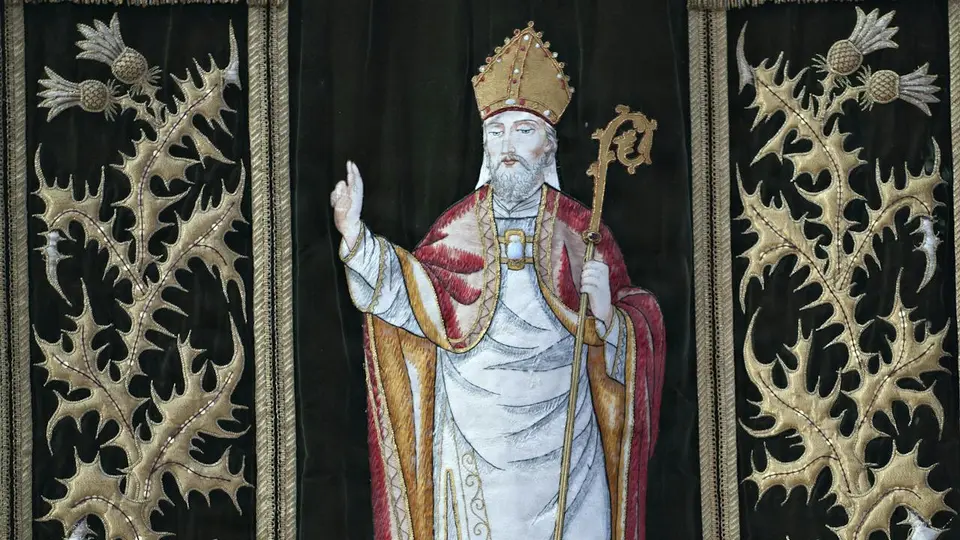
Bones of the father of Christmas stolen and destroyed in France
Bone fragments from Bishop Saint Nicholas, considered to be the historical inspiration for Father Christmas, have been stolen from a Catholic church in Lorraine in northern France. The Saint Nicholas parish revealed this in a Facebook post, which TV 2 Nyheder reported.
The suspected perpetrator was caught on the church's surveillance camera and subsequently questioned by police. During questioning, he admitted to smashing the glass display case in which the bone fragments were stored in a small casket. He then took the fragments home, burned them and crushed the remains.
In a statement to police, according to France Info, the man explained that he was driven by a desire to "combat fetishism" – a term covering the worship of objects believed to possess supernatural or spiritual power.
The incident occurred on 28 October and was reported to police on 2 November. Shortly afterwards, the parish wrote on its social media:
> "Beyond the cultural and historical value of the object, this act represents a serious attack on our history, our faith and the devotion shown by generations of pilgrims – a loss that deeply affects us today."
According to French radio station Magnum La Radio, the trial will begin shortly.
The theft took place just weeks before Saint Nicholas Day on 6 December, when the death of the Catholic saint is commemorated.
According to historical sources, Saint Nicholas was a Greek bishop of Myra in the fourth century. He allegedly had the habit of giving gifts to those in need in secret, which according to The Jerusalem Post later formed the basis for the figure we know today as Father Christmas. Nicholas died in Myra – present-day Antalya province in Turkey. Around 1087, Italian merchants smuggled most of his bones to Bari, where they remain today. Other fragments later spread throughout Europe – including to the church in Lorraine, which was the target of the theft in October.
Source: TV 2 Nyheder